Categories
Uncategorized

Why User Intent Matters More Than Keywords in Modern SEO

Have you noticed how technology is keeping up with the level of knowledge humans have? Don’t get us wrong here—it only means that technology is ready to be a companion of humans in the future, and not to replace us.

Search Engine Optimisation, or SEO, has evolved too and is why search engines have become smarter and maybe a bit more attuned to the user’s culture.

This is because search engines nowadays focus on understanding why someone is searching for something rather than just what they are searching for. According to Impressive Digital SEO agency, this is what we call user intent.

What is user intent?

User intent, or what is sometimes known as search intent, refers to the reason behind the search query of a user, and the search engine prioritises what matches best for your query. There are main types, and these are:

  • Informational intent, or when someone is asking for answers, guides, and even explanations to what they are looking for, makes valuable content a good way for users to trust your website.
  • Navigational intent, or those who already know where they want to go—that’s why they are specific to the search so your users can find you easily.
  • Transactional or commercial intent is for when users are looking to buy products and compare their options with one another, which is a plus when you are a business that sells products or services.

Why User Intent is More Important Than Keywords Alone

User intent gives meaning to searches in lots of different ways, and here’s why:

Search engines prioritise relevance over exact keywords. Today’s algorithms are not just about finding the exact match of words or phrases, and they understand related topics and synonyms as well, just like how our language is. This is why businesses are highly encouraged to use the natural language of the target audience.

Better engagement and lower bounce rates. Having the intent means knowing the importance of value—and this goes for contents as well. Surprisingly enough, when users feel that your website is useful and relevant to them, they are interested in engaging for longer periods.

Higher conversion rates. Conversion rate means that you are not only helping the users answer the questions they seek, but you are also making your users into customers that can purchase the products and services you offer.

Voice search and AI are changing the game. User intent is also what fuels voice assistants because it makes searches more conversational and natural.

How to Optimise for User Intent

User intent is easy to understand; however, the challenge comes in technology because they are not naturally taught to be human-like. Here is how you can optimise it for your business:

  • Your audience will be your customers in the long term if you know what they want and how they want it.
  • The content of your website should match the intent of the user. Things like blog posts, contact pages, and products with prices are things that can be of great convenience to your users.
  • Natural phrasing and related terms beat exact-match keywords. This means that the search engines will recognise your content as something relevant to what the user is looking for, especially when you shuffle the terms and make posts about one single topic.
  • User experience is crucial as it creates the impression of good intent to your users. To do this, just keep your website mobile-friendly and organise your content in a concise way so that the load times are fast and efficient.
  • Always keep track of what’s working and what’s not on your website so that you’ll know where you need to adjust and where you need to sustain your content.

Why user searches are more important than knowing what they search for.

Valuable, relevant, and engaging. Users are getting more and more curious about the world they live in, and understanding this idea would make your website genuine, natural, and sensitive to the needs of the users.

In the real-world setting, this is not what we call “strategy” but socialising and engaging with the community. In the real-world setting, this is easy, but most of your business’ target users will be coming from the online world and it would be hard for them to know what your business really is. User intent bridges the connection gap that your brand and the users have. So the next time you plan your SEO strategy, why not shift your focus to making engaging and relevant content like this?

Categories
Uncategorized

Tempering Ambition with Security in Web Design

Whether you are talking about your website or your app, you might feel as though it’s natural for ambition to frequently change the course of your design process. Everyone has their own creative process, and working closely with your team can help you all to harmonize in this regard – but it is important that you don’t lose track of what security breaches these new ideas potentially open up.

It is always absolutely crucial for your web platforms to be as secure as possible, otherwise risking a breach of consumer trust. Therefore, keeping this in mind can help to lead you to some new solutions tailored to your ideas. 

API Security

When it comes to what audiences expect from your website, you might feel a certain pressure to incorporate elements that leave them impressed. This could be where the ambition comes in – taking the form of API gateways that allow for seamless and convenient connection and usage to other services. However, it is important to be aware of the kind of security risks that this might open up, requiring you to take a different approach to security rather than just relying on what you already have. Knowing what API security issues often look like can help you to take a more proactive response in attending to them, making your use of the initial tools as effective as possible.

Simply the Latest

There might also be an industry standard when it comes to this kind of security – something that both users and competitors expect as a baseline. This is much like how most businesses are very much aware at this point how backing up their data in the cloud provides more robust protection against unexpected data losses than simply relying on physical backups or hard drives. 

You might feel more secure in whatever plans you have for your web spaces if you know that your security responses are taking the latest business security threats into account. This might lead you to read the latest cybersecurity reports, enlist the help of experts in the field, or even use tools like AI in your security systems. Knowledge is power, especially when it comes to something like knowing how to best protect your business.

Biometrics and User Data

Some trends can feel inevitable, whether or not that is an accurate representation of the situation. Apps and devices that use biometrics and other forms of personal user data seem to be increasing, which can naturally come with the temptation to jump into this for yourself. However, while this might help make your app a more convenient, modern, and secure space, it also puts you in possession of some very sensitive customer data. This is already a concern for most businesses, and it makes it more important than ever to ensure that this is all stored properly. A breach in this area could be worse than in others due to the irreparable trust issues that could stem from it.

Categories
Uncategorized

What Is Networking Basics – Switches, Routers, and Firewalls

Networking is the foundation of modern communication. It allows devices to connect and share data efficiently. Whether at home or in a business setting, networking plays a crucial role in keeping systems running smoothly. Three key components make up a basic network: switches, routers, and firewalls. Each device has a specific function that ensures data flows correctly and securely. 

Without networking, the internet, online communication, and even internal business operations would be impossible. The digital age thrives on seamless data exchange, and networking devices are at the heart of this ecosystem. To keep things running efficiently and securely, many businesses turn to trusted solutions from providers like a Meraki reseller. But are these devices really so useful? Read below!

What Is a Switch?

A network switch is a device that connects multiple computers or devices within a local area network (LAN). It allows devices to communicate and share resources, such as printers or file servers. Switches operate at the data link layer (Layer 2) of the OSI model, meaning they forward data based on MAC addresses.

How a Switch Works

Switches use MAC addresses to direct network traffic. When a device sends data, the switch checks its MAC address table to determine where to send the information. Switches direct data only to the intended recipient, whereas hubs transmit it to all connected devices.

Switches help in avoiding collisions and unnecessary traffic on a network by managing data transfer intelligently. They learn MAC addresses and store them in a table, ensuring that data packets are sent only where needed. This improves network efficiency and speeds up communication between devices.

Types of Switches

  1. Unmanaged Switches – Simple devices that require no configuration. Commonly used in small home networks. These switches are plug-and-play, meaning they work right out of the box without any need for adjustments or special settings.
  2. Managed Switches – Offer advanced features like VLANs, traffic monitoring, and remote management. Used in business environments. These switches provide better network control and allow IT administrators to prioritize traffic, enhance security, and optimize performance.
  3. PoE (Power over Ethernet) Switches – Provide power and data over a single Ethernet cable, useful for IP cameras and VoIP phones. These switches eliminate the need for separate power sources for certain devices.

What Is a Router?

A router connects different networks and directs data between them. It operates at the network layer (Layer 3) of the OSI model. Routers ensure data reaches the correct destination by using IP addresses.

How a Router Works

Routers analyze incoming data packets and determine the best route for them. They use routing tables and protocols like RIP, OSPF, and BGP to make decisions. Unlike switches, which operate within a single network, routers connect multiple networks, including home networks, to the Internet.

Routers are responsible for packet forwarding, which ensures that data sent from one device reaches its intended target, even across different networks. When multiple paths are available, routers use dynamic routing protocols to select the most efficient route.

Types of Routers

  1. Wired Routers – Use Ethernet cables for stable and secure connections. These routers are often preferred for high-speed internet needs where consistent connectivity is required.
  2. Wireless Routers – Provide Wi-Fi access to multiple devices without cables. Common in homes and offices, these routers allow laptops, smartphones, and IoT devices to connect seamlessly.
  3. Core Routers – High-performance routers used by ISPs to manage internet traffic. These routers operate at the backbone of the internet, ensuring data flows between major networks without congestion.
  4. Edge Routers – Positioned at the boundary of a network to manage external connections. Often used by businesses to regulate inbound and outbound traffic between their network and the Internet.

What Is a Firewall?

A firewall is a security system designed to protect a network by filtering incoming and outgoing traffic based on a set of established security rules. It acts as a barrier between a trusted network (such as a home or business network) and an untrusted network (such as the Internet).

How a Firewall Works

Firewalls inspect incoming and outgoing data packets and decide whether to allow or block them. They use rules set by administrators to filter traffic based on IP addresses, domain names, and ports. This helps protect networks from unauthorized access, malware, and cyberattacks.

Modern firewalls use deep packet inspection (DPI) and intrusion detection systems (IDS) to analyze traffic in greater detail. They can detect malicious activities, prevent unauthorized access, and block harmful software before it infiltrates a network.

Types of Firewalls

  1. Packet-Filtering Firewalls – Inspect individual packets and allow or deny them based on rules. They provide basic security but are limited in detecting advanced threats.
  2. Stateful Inspection Firewalls – Monitor active connections and filter traffic accordingly. They keep track of ongoing sessions and can identify suspicious activities.
  3. Proxy Firewalls – Act as intermediaries between users and the internet, hiding internal network details. These firewalls add an extra layer of security by anonymizing requests.
  4. Next-Generation Firewalls (NGFWs) – Combine traditional firewall functions with advanced security features like intrusion prevention and deep packet inspection. These are used in enterprise environments to provide comprehensive protection.

How These Devices Work Together

In a typical network setup, switches, routers, and firewalls work together to provide seamless connectivity and security. A switch connects multiple devices within a local network, ensuring efficient communication between computers, printers, and other hardware. When a device wants to communicate with another on the same network, the switch directs the data efficiently without unnecessary delays.

A router connects the local network to the Internet and directs data between different networks. It ensures that information reaches the correct destination, whether it is a website request, an email, or a video call. Without a router, home and business networks would be isolated from the Internet.

A firewall acts as a security guard, monitoring incoming and outgoing traffic. It blocks unauthorized access and ensures that harmful data does not enter the network. This helps protect sensitive information from cyber threats like malware and hacking attempts.

Benefits of Understanding Networking Basics

Having a solid understanding of networking basics provides multiple benefits. Users can optimize network performance by configuring devices correctly. Security improves when users understand firewall settings and can adjust them to protect against cyber threats. When issues arise, troubleshooting becomes easier because users know how switches, routers, and firewalls function together. 

Businesses can also expand networks efficiently, ensuring they have the right combination of networking devices as their needs grow. Finally, informed decision-making leads to cost savings by avoiding unnecessary hardware and selecting the most effective solutions for their networks.

Conclusion

Networking may seem complex, but breaking it down into its core components—switches, routers, and firewalls—makes it easier to understand. Each device plays a vital role in ensuring smooth and secure communication. Understanding these basics helps users make informed decisions and improve their network’s efficiency and security. By mastering these basics, users can build robust network infrastructures that meet their needs both now and in the future.

Categories
Uncategorized

Crafting the Perfect LinkedIn Headshot: A Guide to Making a Memorable First Impression

LinkedIn photo isn’t just a picture – it is the first thing that employers, clients, or other connections will see and can determine their further attitude. Your profile picture is worth considering in a visual platform in which users compete with professionalism, mood, and friendliness. This blog post analyses what goes into a good LinkedIn photo, recommendations on how to your unique headshot on LinkedIn, and what not to do.

Why Your LinkedIn Headshot Matters

There are over 900 million LinkedIn users in the world, and millions of people’s profiles are seen every day. Research confirms that people are more likely to look at a profile that contains a photo and be persuaded to trust the source if the photo looks like a professional headshot. While today’s business is primarily being conducted online, a professional LinkedIn photo creates trust and adds to your recognition by employers and potential clients.

One powerful image of a headshot can convey optimism, approachability, and dependability which are all precious attributes in a workplace.

Characteristics of an Effective LinkedIn Headshot

Professional photographs aren’t always appropriate for LinkedIn. A few fundamental rules that improve your online professional identification are followed by the perfect LinkedIn headshot:

  • Focus on the Face

LinkedIn headshots should not occupy more than 60% of your face and must be in focus on your face only. This makes it easy for viewers to identify you and makes it seem as if the message was prepared for them and not a mass viewership.

  • Natural Lighting and Clear Background

No low lights or extreme image filtering should be used. Every time opt for natural light as it brings about the best of makeup by lighting up the facial features and not casting shadows as artificial lights do. This means that if you are performing, a plain or empty background helps the audience to focus on you instead of the environment.

  • Appropriate Attire

The dress code should be apt to the industry or job position that you are targeting. Most often employees manage to come to work in business-casual outfits; however, this is not set in stone. The key is that you must look formal yet warm.

  • Authentic Expression

First, although the photo should be formal, it does not need to be stuffy, or even slightly boring. A natural smile is authentic, and thus, people feel touched and encouraged to approach you when they see it on your profile.

Preparing for Your LinkedIn Headshot

A little preparation goes a long way, but it doesn’t have to be difficult to get ready for a headshot. To make sure you’re prepared for the camera, use this checklist.

  • Choose the Right Outfit: Choose clothing according to your business persona. Limited the wardrobe of choice to plain colors that match your skin tone and shun print and logos.
  • Grooming Essentials: To make your image refined before shooting, please trim your beard, wash and style your hair, or apply some makeup if you’re a lady. It is important to focus on even the remotest of objects, as a high resolution will allow us to photograph them in detail.
  • Mindful Posture and Posing: Take a few pictures of lifting your arms in various positions to find out in which position your arms look best. Most of the time the sideways active pose is more preferred than having the person’s face forward looking at the camera.
  • Consider the Background: Simple and non-focused backgrounds are the most effective ones. If you are shooting outside, make sure the background is simple and doesn’t draw focus away from the face.

DIY LinkedIn Headshots: Tips for Taking Photos at Home

Not everyone can afford to hire a professional photographer or have the time to do so. Fortunately, you can make great LinkedIn headshots at home with a few pointers.

  • Use a Tripod and Self-Timer: Mount your phone or camera at eye level and set the self-timer to 5 seconds at most so that you are able to take your position. This way, you eliminate shaking, off-center images.
  • Maximize Natural Light: The best scenarios include when you currently are near a window and you shoot when you are outside during a cloudy day. They also avoided direct sunlight because it can cause unpleasant shadows and make it difficult to maintain naturally posed facial expressions.
  • Edit Sparingly: Adjustments such as making the photo lighter, and increasing contrast can make the final picture better. But, it is not suitable to apply thick layers of filter or even excessive of it, since this will make the picture look fake.

Common LinkedIn Headshot Mistakes to Avoid

Your LinkedIn headshot’s quality may be compromised by a few minor errors. Here are some typical traps to steer clear of:

  • Using a Casual or Social Photo: Every picture, even if it is cropped does not fit on the LinkedIn – vacation or party pictures are too relaxed. That is why, it is better to have a headshot created only for LinkedIn to achieve a certain level of professionalism.
  • Distracting Backgrounds: Do not choose images that make a lot of noise or receive much attention, since these will distract from you. Ideally, want to use a plain background so that the primary focus is on the face.
  • Over-Retouching: A little bit of editing is acceptable provided that it does not alter your look to a point of unbelievable. It is best to maintain simplicity or no makeup at all while trying to look like a real person.

Updating Your LinkedIn Headshot

A LinkedIn headshot is not something where you set it and leave it. That is why you need to take new headshot photos every couple of years or any time you change your looks. Age catches up with all of us, which is why having a recent photo headshot gives a current representation of a candidate.

Another useful tip is to also change your headshot if indeed, you switch to a new line of business or new kind of job. This change can be indicated by a new photo that your profile acquires and makes it look more relevant.

Conclusion

Your headshot on LinkedIn is one of the smallest aspects of your professional arsenal, yet it goes a very long way. A good photo in your profile enhances its appeal, authenticity, and having an impressive first impression that differentiates you from competitors. Regardless of whether you decide to go it alone or seek the help of a photographer, making sure that your headshot is real, friendly, and professional will help ensure that you make the right first impression on LinkedIn.

It cannot be emphasized enough that consistency between the shot and what is expected of your type of business is what makes a LinkedIn headshot possible. As a result, people realize the importance of a professional headshot because it can help you in your career by providing leads and connections to resources you may need in the future.

Categories
Uncategorized

Trends in Startup Naming: How AI is Shaping Brand Identities

Choosing the right name for your startup is one of the most important steps in building your brand. A strong name can make your business stand out and leave a lasting impression. But finding the perfect domain name isn’t always easy. That’s where technology, especially AI, comes in to help. 

AI is changing how startups choose names, making the process faster and smarter. Tools like free domain name generators are a game-changer, helping entrepreneurs find unique names that also work for online branding. In this article, we’ll explore how AI is transforming the way startups are named and highlight the latest trends shaping brand identities.

Why Startup Domain Names Matter?

A startup’s name is more than just words; it’s the foundation of its identity. In today’s crowded market, having a memorable name is critical to standing out from the competition. A good name creates strong brand recognition because people remember names that are catchy and meaningful.

It boosts marketing efforts by making the name easier to advertise and share, and it improves SEO by aligning with what people search for, helping attract visitors online. However, naming a business comes with challenges.

Popular domain names are often taken, making it hard to find a matching website address. Trademark issues can also arise, causing legal headaches down the road. These hurdles make it even more important to get creative and strategic when choosing a domain name.

How AI Is Changing Naming Game?

AI tools simplify the naming process by doing the heavy lifting for startups. These tools analyze data, trends, and even emotions to suggest names that fit your brand. For example, AI-driven domain name generators can suggest dozens of options based on your keywords.

It considers language trends, cultural relevance, and industry-specific words to come up with fresh ideas. If you’re using advanced AI tools, they can even analyze user preferences and consumer behavior, ensuring the names resonate with your target audience.

Startups are already benefiting from these innovations. For instance, it seems “Glovo” was generated through AI analysis, combining the word “globe” with “go”, emphasizing the brand’s mission to deliver anything, anywhere. The simplicity and global appeal of the name reflect AI’s ability to create short, impactful, and meaningful brand identities.

Trends in AI-Influenced Startup Naming

AI is not only making naming easier but also setting new trends. Here are the fundamental ways AI is influencing modern startup names:

Short, Catchy Domain Names – Conciseness is key to a memorable brand name. Short names like Zoom or Slack are easy to spell, say, and remember. AI tools excel at generating concise, impactful names by analyzing word patterns and trends.

Keyword-Driven Names – Incorporating keywords into domain names makes them SEO-friendly, helping businesses rank higher on search engines. For example, AI tools might suggest names like “GreenEnergyPro” for an eco-friendly startup, boosting its online visibility.

Global Appeal – Many startups aim for global markets, so their names need to work across different languages and cultures. AI checks for translations, slang, and cultural sensitivities to create names that resonate universally. For example, a global brand like Canva uses a name that is simple and easy to pronounce worldwide.

Domain Availability Integration – A great name is useless without a matching domain. AI tools streamline this by checking domain availability in real-time. For instance, using a domain name generator, you can instantly find names that have the .com or other extensions available.

Creative Mashups and Word Blends – AI is excellent at combining words to create unique mashups. Names like “Pinterest” (pin + interest) and “Shopify” (shop + simplify) are great examples of this trend. These creative blends make names both distinctive and brandable.

Personalization and Niche Focus – AI suggestions are based on your niche. For example, a tech startup might get futuristic names, while a wellness brand might see soothing, nature-inspired options. This customization ensures the name aligns perfectly with the brand’s identity.

Advantages of Using AI for Startup Naming

AI is becoming the go-to for startup naming due to its many benefits. It offers speed and efficiency by generating dozens of suggestions in seconds, saving hours of brainstorming. It’s also cost-effective, as many AI tools are free or inexpensive compared to hiring branding consultants.

AI makes data-driven decisions, basing its suggestions on market trends, analytics, and search behaviors to ensure relevance. Additionally, it enhances creativity by analyzing vast amounts of data to generate domain name ideas you might not have considered on your own.

Challenges and Limitations of AI in Naming

While AI offers many benefits, it’s not perfect. One limitation is its lack of emotional connection. AI doesn’t fully understand human emotions, which can lead to names that feel impersonal. Another challenge is that AI might generate generic suggestions that are too similar to existing brands, which results in lacking originality.

Additionally, AI may have limited context understanding and fail to grasp subtle cultural or industry nuances that a human expert would catch. To overcome these limitations, it’s important to combine AI-generated suggestions with your creativity and judgment.

How to Make Most of AI Tools for Naming

To get the best results, here are some tips for using AI tools effectively:

  1. Choose Right Tool – Look for reliable tools or a domain name generator to explore creative options.
  2. Define Your Keywords – Use keywords that reflect your brand’s values, industry, or mission. 
  3. Evaluate Suggestions – Check if the names align with your vision and goals.
  4. Verify Domain and Trademark – Before finalizing a name, ensure the domain and trademark are available to avoid conflicts.
  5. Test with Your Audience – Share the domain name with family, friends or potential clients to get feedback.

The Future of AI in Branding and Naming

AI’s influence on startup naming is just the beginning. In the future, AI might help with more aspects of branding, such as logo creation that matches your brand name and personality. It could also create consistent taglines and messaging across platforms.

AI might analyze voice and tone to ensure the name fits with your brand’s overall personality. Emerging technologies, such as machine learning and natural language processing, are likely to make AI tools even more intuitive and creative, opening up new possibilities for startups.

Conclusion

AI is shaping the future of startup naming by making the process faster, smarter, and more creative. From generating short, catchy names to ensuring domain availability, AI tools simplify branding for entrepreneurs. However, it’s essential to balance AI’s efficiency with human creativity to craft a name that truly represents your vision. If you’re starting a business, consider exploring various domain name generators to kickstart your journey. With the right name, powered by both AI and your personal touch, you can build a brand identity that stands out and lasts.

Categories
Uncategorized

How to Stay Cybersecure: Essential Online Safety Tips for Small Businesses

In today’s digital-first world, cybersecurity is not just something for big corporations to worry about. Small businesses must take it seriously too. With entrepreneurs latching onto more and more Internet devices, their need to shield sensitive information has never been greater. Ignoring this requirement is likely to bring chaos to one’s venture: financial loss, reduced reputation, and the loss of faithful customers can all be serious outcomes. But do not worry—being safe on the cyber front does not have to be difficult. In today’s business world, a few key safety habits can help small businesspeople keep their operations secure and prosperous.

Always Use Robust Passwords

The cornerstone of being safe on the internet is good password management. It sounds easy enough, but many data breaches are due to easy-to-hack or reused passwords. Encourage staff to use complex, unique passwords for every platform. This initial step can help you create a genuinely secure environment. A good way to do this is to invest in a password manager that stores these passwords and other credential data securely. LastPass and Dashlane are tools that let your team both generate and manage strong passwords. People will wonder how they ever managed without them on their desks once you have gotten rid of all the sticky notes and memory-based errors.

Also, when at all possible, ask your team to use two-factor authentication (2FA). This scheme calls for users to verify their identity using a second method such as their mobile phone or email. It significantly reduces the chance that an unauthorized person will gain access to any system or data—even if they have stolen passwords.

Secure Your Network

Securing your network should be a top priority, along with other security defenses. Running a small business or working away from the office can mean all kinds of threats. This is why we created an article specifically on computers and data protection. Firewalls, for example, serve an important function: they are a barrier between an intranet or LAN and the open internet. Firewalls keep out possible communications from sources that we do not want to contact us (usually other sites or networks that may be trying to steal data).

Keep Your Team Educated

One of the most fundamental aspects of cybersecurity is to increase the vigilance of everyone involved in your business. Your trained crew represents the first line in preventing cyberattacks. As an example, hackers sometimes use something as common as phishing emails to make off with company data. By training the staff to think first and open emails later, this kind of classic attack can be thwarted and your overall risk profile massively improved.

It also makes sense to establish clear policies on the use of the internet. Staff should know their work and private devices have to be kept separate, so as not to provide openings for attack. If you also encourage safe browsing habits, and insist that only reputable websites are visited, then these steps taken together will go a long way in preventing cyberattacks.

Imagine, for example, that your staff frequently use your business internet to check their private email or even download files and programs to work or personal devices. That sounds fine on the surface, but it can introduce security risks, even if they’re visiting high-quality sites. If someone is looking to download the best offline iPhone games for free, you might assume there is little that could go wrong – but that’s potentially problematic because everyone has different risk tolerance and varied senses of what’s safe. It’s better to have clear-cut policies about staff only using the work internet for work, and keeping their personal activities for at-home time.

Don’t Forget to Back Up and Recover

Even with the best security mechanisms possible, things sometimes go wrong. A cyberattack, a misclick by an employee, or a hardware malfunction — any of these can cause data loss and so it is vital that you have a robust backup system set up. Important information should be backed up regularly and stored online as well as physically. Services like Google Drive or Dropbox make for wonderful places to keep your files safe and at hand.

In addition, companies need a recovery program for worst-case scenarios. In the event that things do go wrong, businesses should have procedures in place that restore systems, inform clients about what happened in an appropriate fashion, and secure themselves against new attacks.

Final Thoughts

Cybersecurity seems vast and unfamiliar at first glance but with the correct tools, knowledge, and routines, any small enterprise can properly fend off hackers and create a well-protected perimeter. Develop a strong password for every account accessible over the Internet. Secure your network and get good security software. Make your team aware of the risks and regularly update their training, limit work internet use to business-only activities, and create good backup procedures. 

Categories
Uncategorized

Boosting E-Commerce Sales With An AI Translation Solution 

E-commerce businesses increasingly compete not just on product quality and pricing but also on user experience and accessibility. With an audience that spans countries and languages, effective communication has never been more crucial. For many companies, adopting an AI translation solution is proving to be a game-changer in reaching international markets, enhancing user experience, and ultimately boosting sales. Here’s a look at how AI translation can be an invaluable tool for e-commerce growth. 

What Is an AI Translation Solution? 

AI translation solutions leverage artificial intelligence, machine learning, and natural language processing (NLP) to translate text quickly and accurately. Unlike traditional services, an AI-powered translation tool provides faster, scalable, and cost-effective solutions, helping e-commerce businesses reach new audiences effortlessly. Recent advancements enable AI to handle context and industry-specific terms, making it ideal for translating product listings, reviews, and website content with precision. This smart technology understands language patterns and context, delivering translations that feel more natural and relevant to diverse audiences. 

Why Translation Matters in E-Commerce 

Language is one of the most significant barriers to online shopping for international customers. Research shows that people are more likely to buy from websites that have content in their own language. Providing a localized shopping experience by translating product descriptions, reviews, and policies can enhance user engagement and build trust with international customers. Making your website multilingual helps you reach a wider audience, connecting with potential customers who might not be fluent in your main language. 

How AI Translation Solutions Enhance E-Commerce Sales 

Using an AI-powered translation solution provides multiple advantages for e-commerce businesses. Here are some ways AI translation can boost your sales and improve your customer’s experience: 

1. Expanding Customer Reach 

AI translation allows you to present your products and services in various languages without the need for a dedicated translation team. By translating your website into popular languages, such as Spanish, French, German, or Chinese, you gain access to millions of new potential customers. When you remove language barriers, you make it easier for customers who might be unsure about your content to connect with it—making them more likely to buy from you. 

2. Building Customer Trust and Loyalty 

For many consumers, language barriers often lead to uncertainty about product details, shipping, and return policies. Offering clear and accurate translations helps international customers feel understood and valued. AI translation solutions ensure that product descriptions, customer reviews, and support information are available in the customer’s native language, which increases transparency and builds trust. Trust and loyalty translate directly into more significant long-term customer relationships and repeat purchases. 

3. Providing Real-Time Customer Support 

One of the most appealing aspects of AI translation is its ability to work in real-time. By integrating AI translation tools into your customer support system, you can provide instant support in multiple languages. This means faster responses and resolutions for your customers, improving their shopping experience. For instance, an AI-powered chatbot can help answer common customer questions in the user’s preferred language, reducing response time and increasing customer satisfaction. 

4. Reducing Translation Costs 

Regular translation services can be costly, especially if you need frequent updates. With an AI translation solution, businesses can reduce translation costs by automating the translation of new products, updates, and seasonal promotions. This cost-efficiency makes AI an excellent option for businesses that want to expand internationally without significantly increasing their operational costs. Plus, since AI translation can easily grow with your business, it helps you expand into new markets quickly without needing to hire extra language experts. 

5. Improving SEO for International Markets 

Localized content enhances the user experience and improves search engine rankings in various languages. Having your website in multiple languages makes it more likely to show up in search results for keywords in other languages. AI translation allows you to translate keywords, metadata, and product descriptions, making your site more visible to international customers searching in their language. Improved SEO in multiple languages can bring in organic traffic from diverse markets, resulting in increased sales. 

6. Enhancing Product Descriptions and Marketing Content 

Product descriptions are often packed with essential details that help customers make purchasing decisions. AI translation ensures that product descriptions, bullet points, and benefits are conveyed accurately across languages, allowing customers to have a consistent and clear understanding of what they’re buying. This includes translating high-value marketing content like emails, advertisements, and promotional material, ensuring your brand’s message is consistent globally. 

Key Features to Look for in an AI Translation Solution 

AI translation tools aren’t all the same, so when picking one for your online store, it’s important to find features that improve the customer experience and make things easier to manage. Here are some critical features to consider: 

  1. Multilingual Support: Ensure the tool supports the languages relevant to your target markets. Some AI solutions may offer translation for dozens of languages, while others may specialize in a select few. 
  2. Industry-Specific Vocabulary: E-commerce has its own set of terms and requirements, and AI solutions that can adapt to specific vocabularies, including colloquial and industry-specific terms, will provide more accurate translations. 
  3. Integration Capabilities: Make sure the AI tool can easily work with your current online store setup and content system. Seamless integration is essential for maintaining consistent and up-to-date translations. 
  4. Real-Time Translation: Real-time translation is invaluable for providing customer support, especially during high-traffic times or special promotions when customer inquiries may increase. 
  5. Customizability and Learning: Choose tools that get smarter over time, learning your brand’s unique tone, terms, and style. 
  6. Security and Compliance: Data security is paramount, especially if you are handling customer information. Ensure the AI solution complies with data protection regulations, such as GDPR, to safeguard customer data during the translation process. 

Adding an AI translation solution to your e-commerce site can be done in a few steps. Regularly review translations and adjust as needed. Customer feedback can show where things might need improvement. 

Conclusion 

AI translation is not just a tool for reaching new markets—it’s a catalyst for creating a globally inclusive and accessible e-commerce environment. AI translation solutions can help e-commerce businesses significantly boost sales and customer satisfaction. As AI translation technology keeps getting better, it opens up exciting new opportunities for e-commerce companies to reach more customers and improve their experience. It’s an investment any online business aiming to grow worldwide should seriously consider. 

Categories
Uncategorized

Best Gaming Software & Tools of 2024

Modern gaming is about so much more than mere hardware; if you want to get the most out of your setup, software plays a massive part.

But with hundreds of thousands of different tools and software for gaming, knowing which to use is a tricky task that often involves hours of research. 

To make things super simple, we’ve curated a list of the top gaming software and tools that every gamer should check out. 

Game Optimization Tools

You may have the latest Nvidia Graphics card in your system, but if you don’t have the right optimization and bundles of bloated software, then you probably are not getting it all from your specs.

Optimization tools ensure that your PC resources go precisely to what matters most-your game!

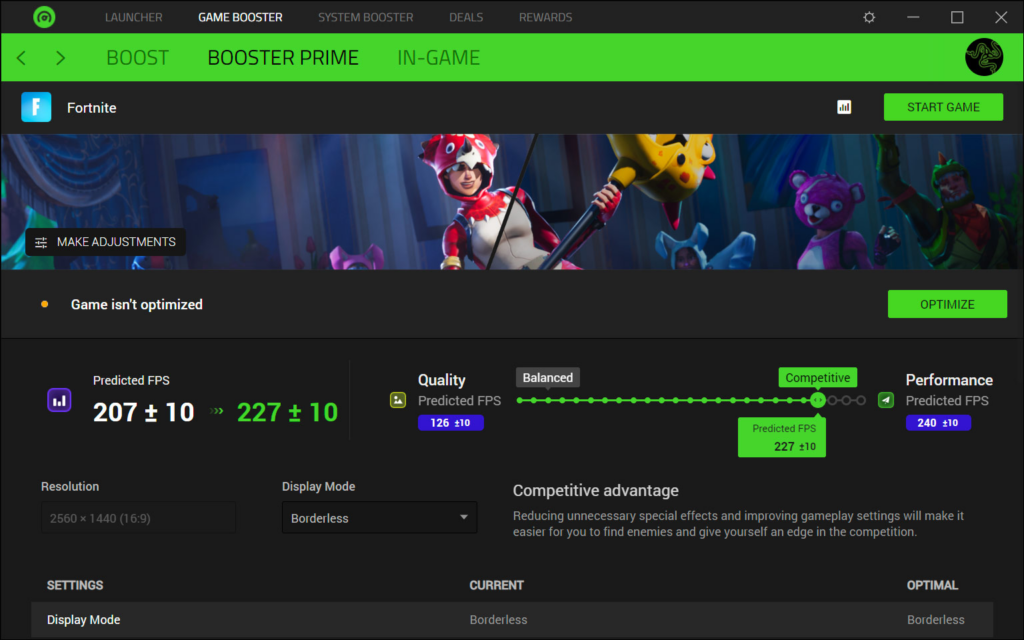
1. Razer Cortex: Boost Your Game’s Performance

When you’re deep in a competitive match and the game starts stuttering, it feels like the game is already lost. But what if there was a way to fix this, without upgrading your hardware? Welcome the Razer Cortex, a free game booster that works by optimizing your PC. The software is user-friendly and works by terminating the unnecessary background applications you have running.

2. MSI Afterburner: Overclocking for Maximum Power

MSI Afterburner is a brilliant piece of software that allows you to squeeze every last drop of performance from your graphics card. It is not recommended for someone who is new to computers, as improper use can damage your components. The tool works by allowing you to overclock your GPU, check temperature, and control fan speed settings, giving you more power and control from your graphics card.

Communication Tools for Gamers

Communication tools are vital for every gamer; they are super handy for team-based games while allowing you to easily keep in touch with friends and family.

1. Discord: Most Used Voice and Text Chat Tool

You probably already know about this one! Nothing beats Discord, specifically for gaming comms. It lets you chat easily through voice, video, or text. However, in addition to what you might consider basic chats, Discord allows you to create communities through servers very much like Slack.

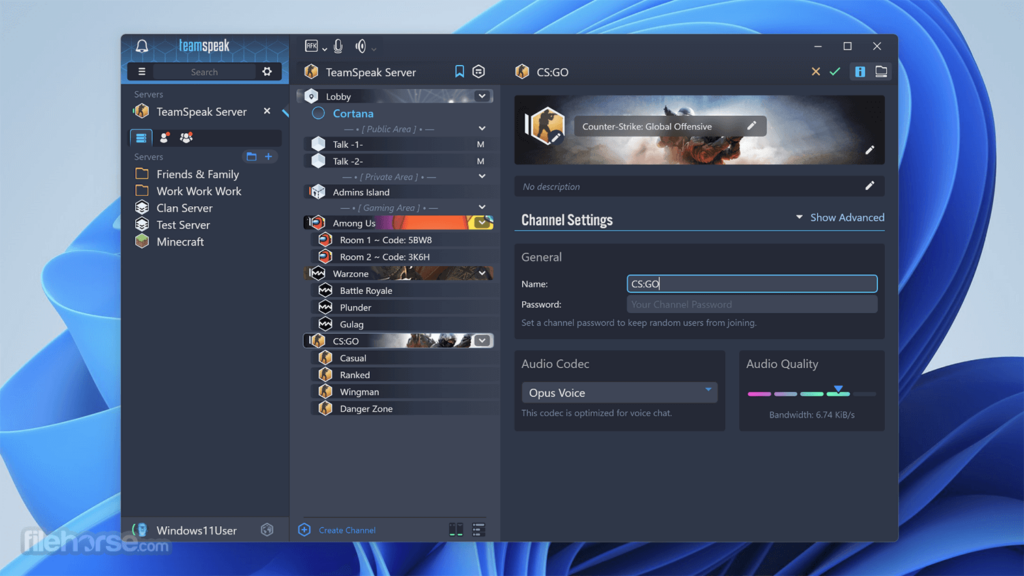
2. TeamSpeak: The Competitive Option

If you are into more competitive games such as CS:GO, you may require something of lower latency than Discord. This is where TeamSpeak comes into the equation. With its higher quality and lower latency voice comms, it is one of the most popular options among professional Esports teams.

Streaming Tools

It doesn’t matter if you’re a popular streamer or just starting out, streaming tools make it possible to share all your gaming moments with the world.

1. OBS Studio: Best Free Broadcasting Software

OBS Studio is the best free option for gamers who want a professional level of streaming for free. OBS is highly customizable, allowing you to set up multiple scenes, transitions, and custom stream overlays. The only drawback? It’s a little complicated for new users, however the Streamlabs version fixes this entirely. 

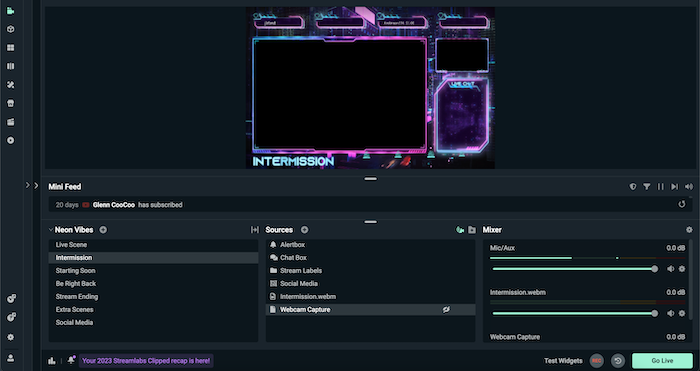
2. Streamlabs OBS: User-Friendly Streaming

Streamlabs OBS is a state-of-the-art tool for gamers who want the power of OBS with more built-in easy to use features. It provides an easy interface compared to OBS studio and pre-designed themes along with widgets, make it ideal for streamers in a hurry to get started with streaming.

Marketplace and Trading Tools

Marketplace and trading tools allow gamers to sell in-game items, buy goods, accounts or currencies. Take it as a digital store where your in-game treasures become real-life prizes

1. igitems: Gaming Marketplace You Can Trust

igitems is one of the most trusted platforms if you have ever wanted to buy or sell in-game items, currency, or accounts. This marketplace is escrow-based, so both buyers and sellers are protected during the transaction.

So, the next time you are grinding hours in RuneScape, and you need to put up your excess amounts of gold or special items up for sale; Use igitems and sell them for real money. The platform has an escrow system guaranteeing that every transaction is smooth and safe. 

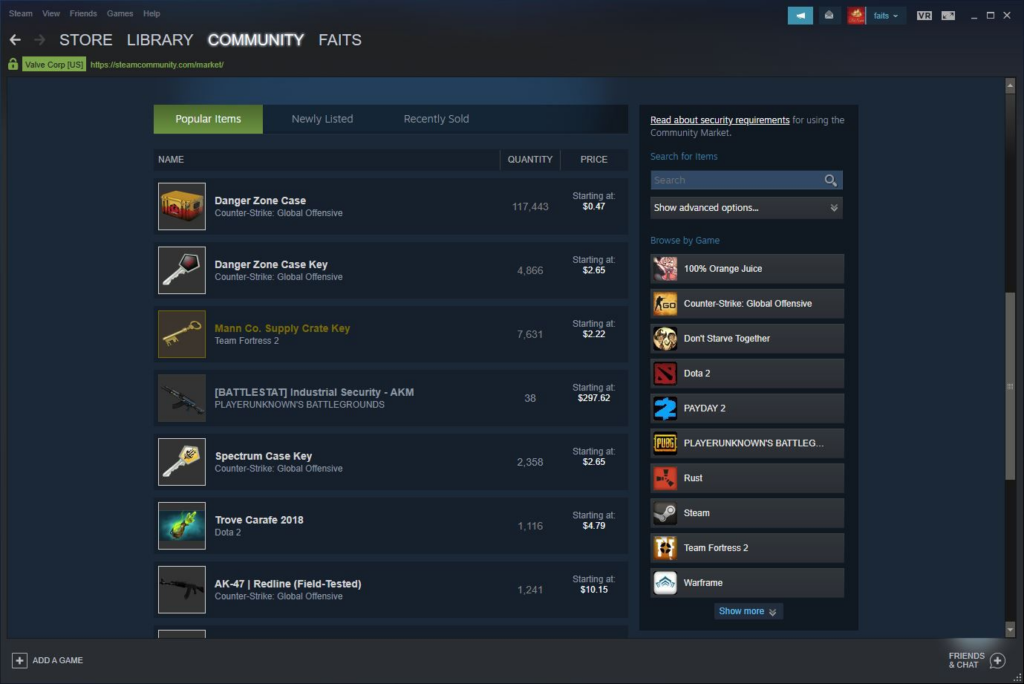
2. Steam Marketplace: Safe In-Game Trading

The Steam Marketplace lets you trade and sell in-game items for Team Fortress 2, Dota 2, and CS to gamers who prefer staying within the Steam ecosystem. Items sold are converted into Steam Wallet funds, which you can use to purchase more games, DLC, or other digital goods.

Competitive Gaming Tools

Having the right tools in a competitive game gives you a huge advantage over the average player.

1. FaceIt

FaceIt is one of the most valuable tools that any serious competitor must have. It comes with an advanced matchmaking system that works with games like CS, Rainbow Six Siege, Dota 2, and allows players to join ranked matches, partake in tournaments, even win real-world prizes, and much more, all through the app. 

FaceIt offers a much more competitive and structured environment to align specific players with their respective skill level.

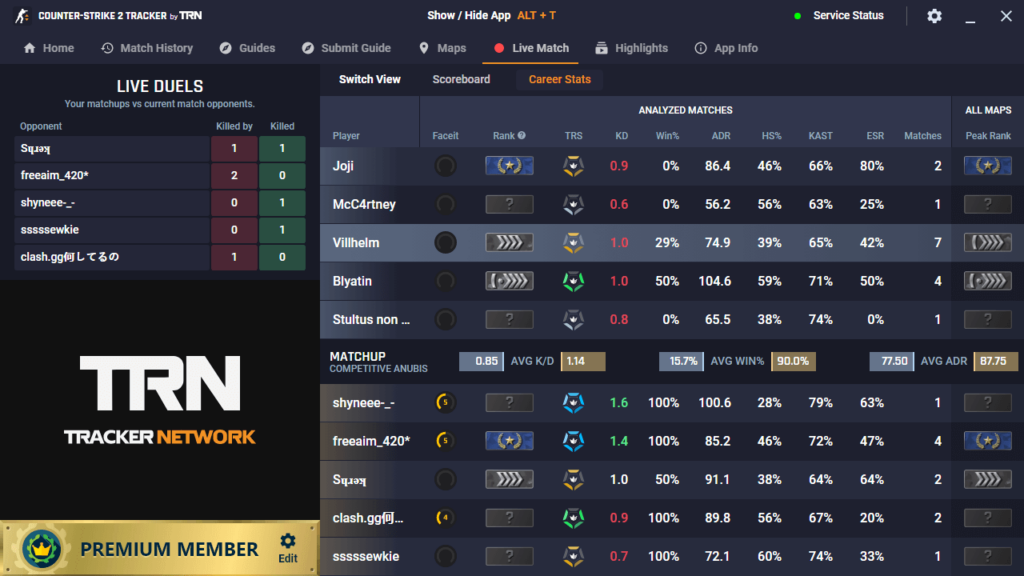
2. Tracker.gg: Analyze Your Stats Like a Pro

Whether you play Apex Legends, Valorant, or Teamfight Tactics, you can track builds and comps for improvement. Tracker.gg is one of the popular tools to check the performance statistics from kill/death ratios to win rates, and weapon accuracy. It helps gamers to analyze their strengths and weaknesses to jot down specific areas for improvement.

Game Mods and Modding Tools

Mods come as an incredible means of reinventing favorite games and allow players to tune their game based on their preferences. 

1. Nexus Mods Manager: Easy Management of Your Mods

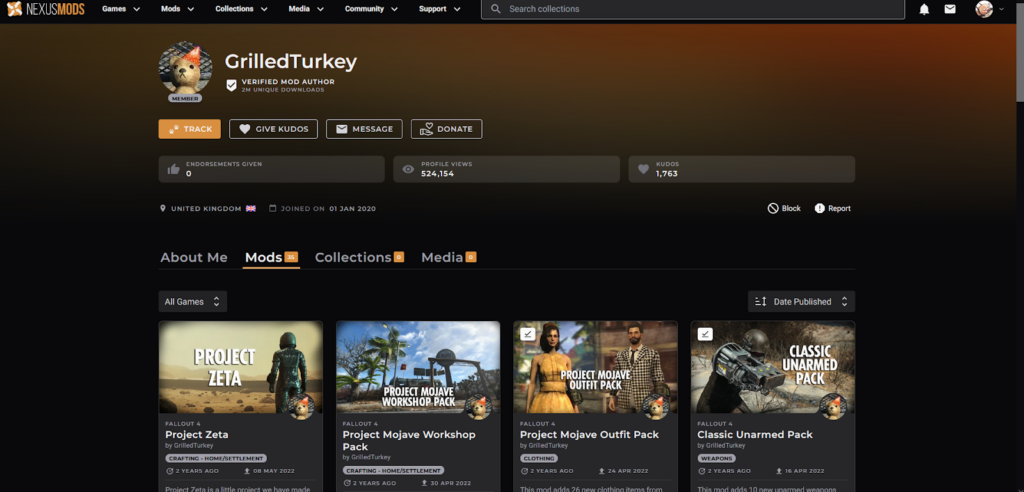
It is one of the most comprehensive gaming mod platforms, supporting titles like the Elder Scrolls V: Skyrim, Fallout 4, and The Witcher 3. Nexus Mods Manager has made it very easy to install, sort, manage mods, and tailor games without file conflicts or game crashes.

2. Mod Organizer 2: Advanced Modding Made Easy

For the more advanced modders out there, Mod Organizer 2 offers more control over your installed mods. It is great for games like Fallout 4 or Skyrim, which require several mods working in harmony. Mod Organizer 2 lets you maintain profiles for different mod arrangements so you can easily transition between modded playthroughs.

Categories
Uncategorized

VPNs as an Indispensable Component of Cyber Security: How They Help Secure Your Data in the Present World

With regard to the modern age, almost all aspects of our lives – personal and professional – are intertwined with the internet. Given the extended use of the internet to perform even the most mundane tasks, effacing potential risks to sensitive data becomes of utmost importance. Virtual Private Networks (VPNs) have become very central in tool deployment for Cybersecurity. It offers a compelling strategy to safeguard one’s identity and information from the increasing risk of cyber-attacks.

This is an article on the need for VPNs in the current digital age. He teaches one how best to shield one’s online activities from the unwanted curiosity of others. When individuals and organizations appreciate the capabilities of virtual private networks, they become capable of acting. They can delete virtual privacy and protection of data as it moves to and within digital spaces.

The Importance of VPN in the Present Digital Age: Overview and Protection

In contemporary times, given the current age of information, the reliance on the internet is in no way a good or an average complement to life today and instead is more of an enhancement which resonates with practically everything we do. The bright side about this is that with the heavy dependence on connectivity, there are even some cyber threats. Concurrently, actors or even nations full of cyber thieves are always determined to breach and exploit weaknesses in cyberspace. All of these bear a risk on our private and classified information.

Cyber incidents such as data breaches, identity theft, and spying are no longer unusual events. It shows the necessity of having efficient systems of cybersecurity – rather this is a clear call to action. 

The Increasing Ephemera of Cyber Attacks

Right from the outset, the information age has brought the advantages of physical infrastructure, informatics and telecommunications, and therefore increased the threat picture. Nowadays, cybercriminals use high tech means to penetrate our systems, steal information, and even cause system crashes.

This evolution leaves individuals and companies equally vulnerable. The threat landscape is constantly changing, so we must remain vigilant and proactive in defending against these threats.

This development creates a situation where every person or organization is at a risk. The threat landscape is inherently dynamic and therefore risks will continue to exist which calls for constant and aggressive defense against those risks. The necessity for formidable cybersecurity strategies Help Me Understand. Outlined below are some of the few of them threats which all come at the cost of inconveniences unmeasurable. One way to fight this type of threat which is more advanced nowadays is using a Virtual Private Network (VPN).

VPNs and your privacy: a trust-issue subverted by technology 

In this digital age, our private information is always at stake. A Virtual Private Network (VPN) has become an important tool in ensuring that our privacy is preserved during online activities. A Virtual Private Network provides security by creating an encrypted path between a device and the web. This in turn shields one from any spying by others regarding one’s online activities.

When you use a virtual private network to connect to the internet, your internet protocol address, the address of the region you are in, and even your internet activities are concealed. This forces the third party to even work harder since no one would follow their online dealings in a span of time. This type of VPN system and data protection is crucial in the modern world due to the diminishing internet liberties. Therefore, whether you are surfing, content watching or transacting anything crucial, a VPN helps you in maintaining a healthy browsing habit. 

A VPN secures your efforts while you surf the web as well as helps to manage it by taking charge of online habits. Through the use of this power, upset within the internet arena is well composed rather it gives freedom about the boundaries of the internet. One can be confidently certain that the private information you have is properly concealed and secured from possible breaches.

For those researching reliable VPN services, the Cybernews NordVPN review offers in-depth insights into its security features, speed, and usability across various devices.

Conclusion

A VPN is an integral component of effective cyber security in this present age. The increase in hacking attempts makes it even more paramount to protect personal and work-related information. A VPN is like a protective layer, which provides a safe connection over the Internet while a user is performing different activities to avoid being spied on.

Every sphere of our lives today revolves around the Internet, making it paramount that VPNs are not just an option to consider. With the introduction of VPN technology, you stand a better chance of being protected when online. This allows you to use the digital space without fear knowing that your information is safe and secure.

Categories
Uncategorized

Streamlining Web Interactions with Python: A Guide to Efficient HTTP Requests

In a fast-moving online world, businesses and developers want fast ways to handle web interactions, retrieve data, and hook up to other online services. Python is one of the most popular programming languages for these cases, providing a simple solution.

A powerful tool in the Python ecosystem is the Python requests library, which lets a developer easily send and receive HTTP requests and speeds up processes that may otherwise be too cumbersome. 

Due to the growing demand for secure and scalable web interactions, businesses have started relying on proxies to manage network traffic.

A proxy layer adds privacy to the data inside (protects against prying eyes) and still allows access to a resource with a hidden internal IP address. Several providers excel at providing tools that help optimize Python-based interactions to help businesses deal with some complex online services and facilitate this process.

Understanding HTTP Requests and Python’s Role

All online interaction comes down to HTTP requests, in which users interact with servers and bring in data, as well as popular websites. An HTTP request is made every time a page loads in a browser or an app requests data from an API.

That is why these requests must be managed efficiently for the developers when building responsive and reliable applications. The widely used Python library makes it easy to handle ‘HTTP’ methods such as “GET” and “POST” with “requests.”

Using Python requests is a way for developers to interact with an API and fetch web data. Because it’s easy to use and has flexibility, the “requests” library is famous for developers working on large-scale web interaction projects.

Enhancing Security and Performance with Proxies

As more complex web interactions and data privacy concerns arise, businesses’ and developers’ web traffic must be secured. That’s where proxies play a role.

As an intermediary between a client and a server, a proxy server masks the client’s IP address while ensuring web requests are anonymized. A business dealing with sensitive data, or those dealing with regulatory compliance issues, particularly find this level of security valuable.

If developers use these requests for HTTP traffic management, the proxies will increase security and speed. With a proxy, businesses can do away with IP blocking, regional restrictions, and load balance to multiple servers.

For example, this is useful for companies that want to use web scrapers to scrape large amounts of data from third-party websites or APIs. Using proxies lets them get around rate limits and guarantees consistent access to the needed resources.

Python Requests: A Key Tool for Developers

For developers who want to manage their web interactions effectively, one of the cornerstones of the Python requests library is very useful. Simplicity and precision are two of its key features, allowing for handling different HTTP methods. 

With the “requests” library, developers can write clean, concise code to retrieve data from an API with a GET request or send data to a server with a POST request. Besides basic functionality, the “requests” library supports more advanced features like session persistence, authentication, and handling redirects. 

These features make it a powerful tool for those who merely write code on small-scale projects and for those businesses that maintain a more complex system and need continual interaction with several online services. 

Through such requests, companies can automate workflows, streamline communication with APIs, and ensure data is retrieved and sent accurately on all channels.

Practical Use Cases: Integrating Python into Business Systems

How companies now integrate Python’s HTTP abilities into their business provides a new way for companies to run their online services. 

Python requests are helpful. For example, to send Python requests to automate the receipt of data from third-party services, update the internal database in real-time, or check web performance. 

Furthermore, Python is also used by businesses that constantly interact with external APIs, e.g., e-commerce platforms, social media tools, and much more. Then, it has another application for automating routine tasks, such as data scraping. 

If a business needs to scrape considerable information from websites, Python and proxies are an excellent combination to make the web traffic manageable and dodge IP bans. 

Companies can use it to gain competitor insight, analyze the market, monitor sentiment, and concoct web interactions that are as efficient as they are accurate.

Seamless Web Interactions

In an era when businesses have to cope with swelling volumes of online interaction, Python’s “requests” library is an elegant way to make web communications easy. Businesses can also be sure their web interactions are not only efficient but also secure when combined with the use of proxies. 

Using a Python request, developers can build responsive, scalable applications that can easily handle web traffic. At the same time, businesses can benefit from excellent backend implementation that integrates seamlessly with external services. 

Using Python and appropriate proxy tools, companies can keep ahead in the digital race by running their business in a controlled way with the best security and performance. Combining simplicity with sophistication, this approach is changing how business works online and for the better.