PDF – stands for Portable Document Format that comes with a wide array of benefits and for many reasons. Evaluating the multiple reasons that make PDFs a great file format and the most sought-after solution for people who are studying, running businesses, or otherwise.
In this informative blog, we’re going to set the curtains aside from the five major reasons behind the extensive usage of PDF files.
Reason #1 – Preserve Formats & Layouts
Do you know? PDF files can help in preserving the formats and layout of documents across a wide array of devices and platforms. No matter if you are going to share a document with your colleagues, clients, or collaborators, you can be sure that it will appear as you want.
Different document management solutions providers like sodapdf strive hard to ensure that there will be no changes and gaps in your documents, resulting in more accuracy and trustworthiness.
Reason #2 – Offers Widespread Accessibility
Other than Word documents, Excel spreadsheets, or PowerPoint presentations, PDF formats are widely accessible. So, you can open and view documents on any device with no need for any specific software. Be certain that free-of-cost PDF readers are available on almost all devices.
Hence, this level of compatibility and accessibility makes PDFs a more reliable solution for sharing data and information with a wide yet diverse audience.
Reason #3 – Have Multiple Data Security Features
When it comes to document security, PDFs come equipped with robust features that include data encryption and password protection, too.
If you leverage PDF formats for your business or anything else, then ensure that sensitive information remains protected and confidential from unauthorised access. In different industries where data security and protection are paramount, PDF works well.
Reason #4 – Interactive Elements
People who use PDFs are well aware of what sorts of Interactive elements they are supporting. These elements include hyperlinks, buttons, forms, styles, and so on.
You can consider this super-amazing solution to create interactive documents, forms, or presentations, which will enhance user engagement and interactivity.
Reason #5 – Compress Files
Another major reason to leverage PDFs is that they can compress large files without sacrificing the quality and security of the content included in them.
PDFs not only save storage space to the maximum extent but also facilitate faster and more advantageous document sharing, particularly in email attachments or online uploads.
Reason #6 – Provide Read-Only Mode
To avoid any unintentional modifications and gaps to the content included in documents, PDFs provide read-only mode to their users, whether they be students or business professionals.
If you want to maintain your control over its integrity when sharing information with someone, this mode or feature would be very beneficial for you.
Reason #7 – Print-Ready & Searchable Text
The print-ready feature of PDFs ensures that the online document’s layout and formatting are well-kept while printing. When users have to produce high-quality physical copies of documents, PDFs serve at their best.
PDFs also comprise searchable text, enabling users to find specific information within a document more easily and without spending more time searching. As a result, the efficiency of document retrieval and navigation will be boosted.
Managing multiple social media profiles and executing impactful campaigns across diverse platforms has become an indispensable part of modern digital marketing strategies. However, doing so manually is a tedious task that eats up valuable time. This is where social media management tools come into play by streamlining processes, facilitating collaboration between team members, and empowering marketers to boost engagement in a timely, consistent manner.
In this comprehensive guide, we’ll walk through the top 10 tools that leading social media management professionals recommend for 2024 based on key factors like features, ease of use, pricing, and real reviews from satisfied customers.
1. Sprinklr – A Powerful Unified Platform
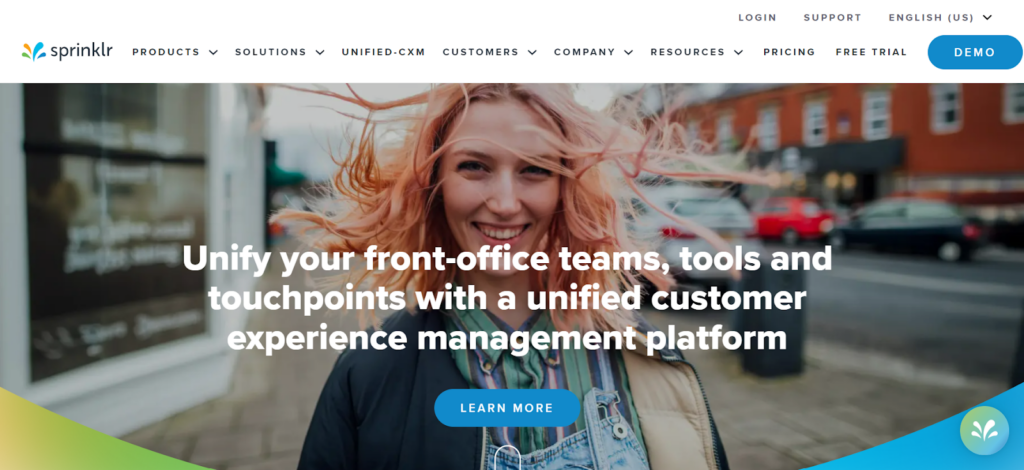
Sprinklr offers a robust unified platform to manage your social presence, customer experiences, and marketing efforts at scale through a single intuitive dashboard. As one of the most full-featured players, it covers over 30 major digital channels and comes with built-in AI capabilities.
Some highlight features include unified customer experience management, Sprinklr AI for personalized responses, persona apps for specialized workflows, global reach with localization options, and flexible approvals to ensure brand compliance. While its in-depth setup involves learning lots of nuanced functions, satisfied customers praise Sprinklr’s ability to optimize omni-channel experiences seamlessly across sales, marketing, and customer service teams.
Though meant for enterprises, its scalability and customizable design have helped global brands like Microsoft and Uber streamline social media publishing globally while delivering top-notch customer service to diverse audiences.
2. Hootsuite – Comprehensive Yet Complex
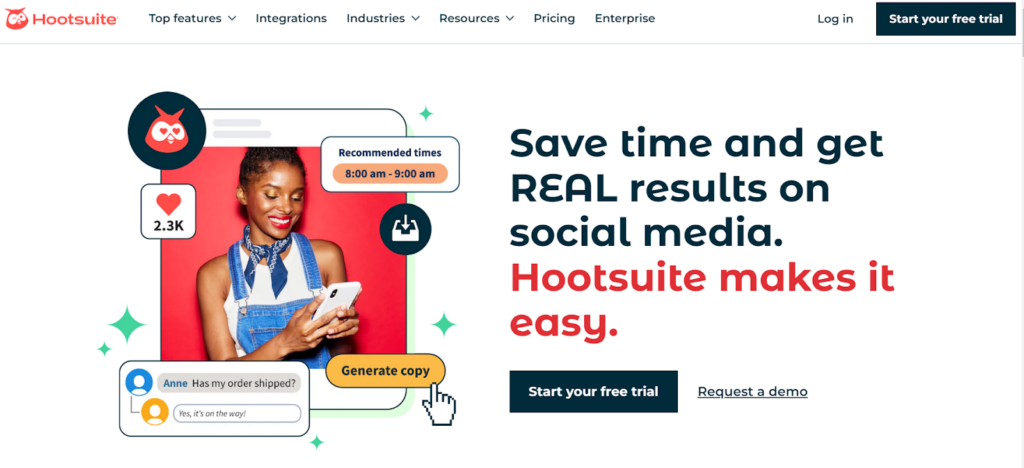
Hootsuite is a veteran in the social media management tools space with a wide user base thanks to its complete suite of publishing, engagement, listening, reporting, and advertising features rolled into one place. It offers best-in-class integration for Twitter and intuitive analytics dashboards.
Other favored features include a centralized dashboard, bulk scheduling, AI-powered copywriting, third-party app integration, and smart alerts to flag important conversations. While very good, its interface tends to become complex for non-technical users.
Additionally, limited free access and steep pricing make Hootsuite unsuitable for individuals or budget-conscious small businesses.
Nevertheless, Hootsuite remains the top choice of many large enterprises for managing Twitter with all premium features available and optimizing marketing campaigns at scale across different regions globally.
3. Reputation – Reviews and Local Search Leadership
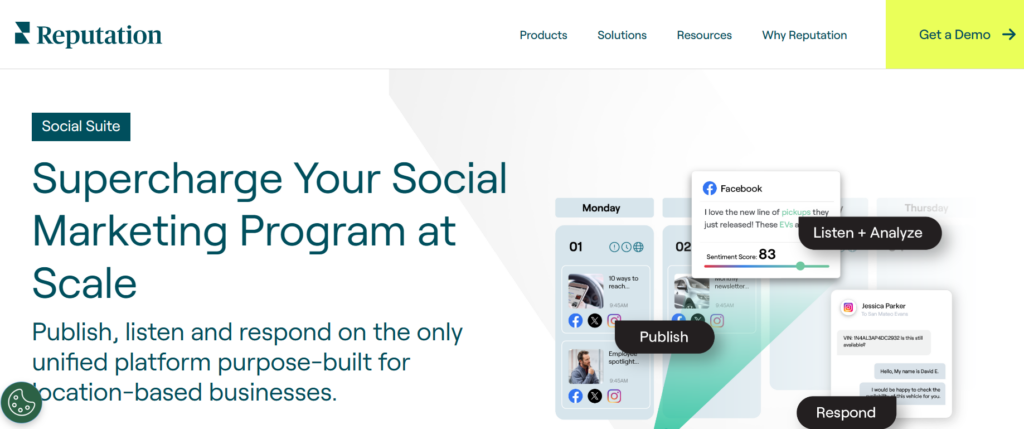
Reputation’s sweet spot lies in optimizing online reviews and local search visibility – two aspects critical for customer retention. It facilitates monitoring reviews on leading platforms, guided response templates, and robust sentiment analysis to identify pain points proactively.
With location-based listing management as another forte, Reputation helps companies improve local rankings and customer satisfaction scores. However, some users point to its rather basic social media engagement capabilities and lack of native AI-powered solutions for tasks like auto-generated responses.
Still, for businesses targeting local customers through reviews, Reputation stays an attractive option to streamline the publishing and reputation management aspects into one place. It has paid rich dividends especially for services industries like restaurants, contractors, and medical verticals.
4. Buffer – Simplicity for Creators and SMBs
As one of the earliest and most popular players in this space, Buffer has mastered delivering core necessities like cross-network publishing and engagement tracking through a clean interface. It equips individuals and solopreneurs with all essential tools for basic social management on a budget.
Some top features include AI-powered content repurposing, a built-in landing page builder called Start Page, smart alerts to surface comments needing attention, and educational resources to help users gain proficiency over time.
While barebones compared to premium products, Buffer’s intuitive design, lifelong free tier, and regular updates make it an excellent starting point for those just venturing into the world of digital PR and online community building. Its simplicity has won fans across developers, marketers, and CEOs scaling modern brands efficiently on emerging platforms.
5. Sprout Social – Powerful Reporting Dashboards
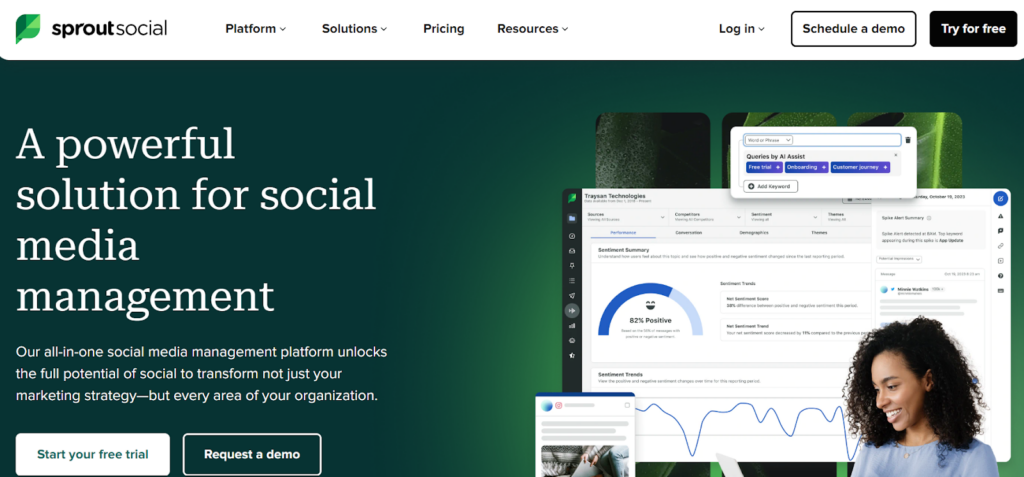
Sprout Social steps up to compete with heavyweights like Hootsuite by integrating key capabilities spanning social publishing, engagement, team collaboration, robust reporting, and optional CRM functionality within its all-in-one platform.
Its detailed charts and visualizations aim to transform raw user data into actionable insights that help optimize effectiveness. Many users praise Sprout Social’s reports as some of the clearest, easiest to understand breakdowns available in this industry.
Although its calendar interface could use improvements, Sprout Social has established itself as a scalable solution trusted by mid-market brands and agencies to enhance engagement across owned channels while demonstrating ROI of marketing activities. Its top-notch customer support sweetens the deal further for businesses.
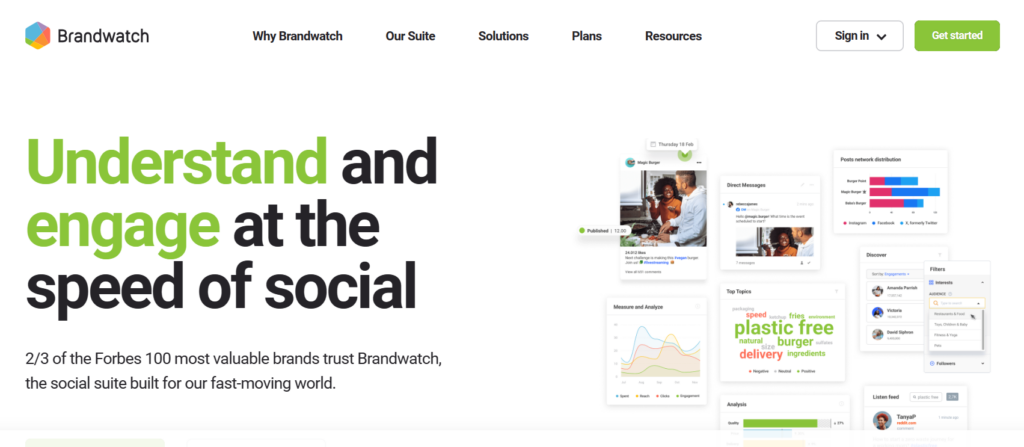
6. Brandwatch – All-Inclusive Yet Imperfect
Formerly known as Falcon.io, Brandwatch aims to be a one-stop-shop covering everything from publishing and engagement to competitive benchmarking, first-class analytics, customer experience management, and a DIY landing page builder.
On paper, it offers all key ingredients needed to strengthen digital presence and tap rich user sentiment data. However, several users report experiencing glitches with the platform over time. Some have also flagged inconsistent support for visual platforms like Instagram and TikTok along with room for improving automated insights.
While feature-rich on the whole, Brandwatch will require commitment from businesses to look past its rough edges. For sophisticated analytics needs, it remains a strong contender – as long as user experience deficiencies don’t outweigh its technical strengths for your use case.
7. SocialPilot – Affordable Basics
As one of the more affordable options out there, SocialPilot attracts budget-conscious small businesses with its easy-to-use interface for cross-posting to linked channels and simplified content curation features.
Key criteria it ticks include support for over 50 social networks, team collaboration tools, calendar-based scheduling, and integrated AI for auto-generating hashtags and copy variants.
Though lighter than counterparts, SocialPilot strikes an ideal balance between essential features and reasonable pricing. However, it may lack certain advanced analytical capabilities expected at the enterprise level. Overall, a great starter tool for newbies and solopreneurs.
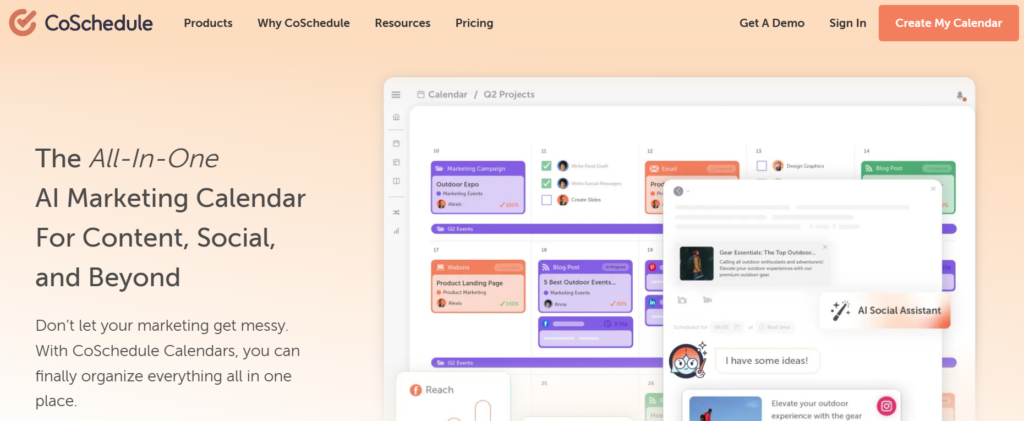
8. CoSchedule – Rock-Solid Content Planning
CoSchedule pitches itself as a winner for the ‘best marketing calendar’ stake, bringing all your social, blog, email, and event activity under one roof for collaborative planning and execution.
With its clear calendar interface, automated social publishing, reusable content templates and ReQueue feature to resurface old hits, it delivers an intuitive visual workflow appreciated by content teams of all sizes.
Still, some brands find its interface overwhelming initially while others demand more inclusive features for the asking price. Nevertheless, CoSchedule remains a go-to for digital PR and inbound teams juggling publishing across multiple channels smoothly each month.
9. SocialBee – Emphasis on Engagement
SocialBee prioritizes user engagement with capabilities like generating post variations to recycle evergreen content while keeping it fresh. Its centralized dashboard organizes all social accounts for simplified oversight. Additionally, SocialBee facilitates cross-channel publishing and analytics inclusive of major networks.
While its interface may not be the most visually appealing, satisfied users appreciate SocialBee’s emphasis on engagement optimization through tactics like permission-based collaborative workflows and multilingual support accommodating diverse audiences globally. It presents a well-rounded option for international businesses.
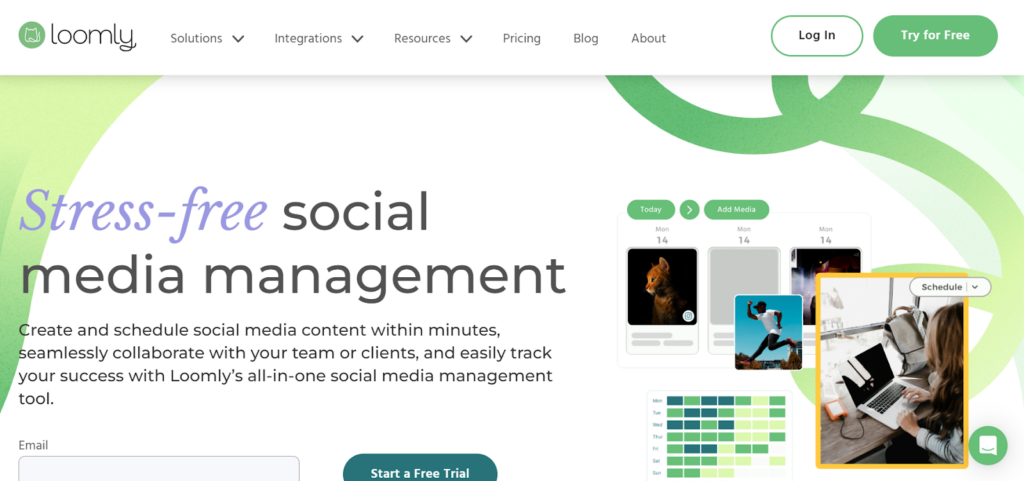
10. Loomly – Unique Custom Networks
Loomly differentiates through its ability to create custom social networks that publish to any external service like your blog, email list, or beyond – all via seamless Zapier integration.
This expands its utility for syncing updates everywhere. Otherwise, Loomly is fairly basic, lacking some standard features present even in free tiers of major competitors. Still, as a versatile multi-channel publishing option, it deserves consideration for specific automation use cases.
Upbeat Agency offers a comprehensive suite of specialized TikTok marketing services to help businesses unlock the full commercial potential of this powerful platform. As a dedicated TikTok agency, they have the expertise to develop optimized targeting strategies, produce engaging native content, manage impactful influencer campaigns, and implement data-driven paid ads tailored for each client’s unique goals.
Making Your Choice
Each of these 10 leading social media management tools brings unique strengths. But your pick ultimately depends on hard factors like team size, budget, technical competence, industry, scalability needs, and desired level of control over analytical capabilities and automation.
Carefully assess core and optional features, consulting reviews from experts and existing customers within similar domains. Request generous free trials from top contenders to test interface compatibility before any investment.
With the right selection aligned with your strategic growth goals, these platforms empower businesses of all sizes to engage audiences proactively, optimize efforts, and reap the rewards of streamlined digital conversations.
In the digital age, having an online presence is crucial for anyone looking to engage with a broader audience—whether you’re a small business owner, an artist, or running a nonprofit organization. Website builders make it easier than ever to create a professional-looking site without needing to know how to code. In this comprehensive guide, we will explore the top 15 website builders that can help you create a website today, with a special focus on why Elementor is our top choice.
What are the Website Builders and how do they work?
Website builders are online tools that allow individuals and businesses to create a website without manual code editing. Essentially, they provide a platform where users can construct their websites using a visual editor, making the process accessible even to those without any technical knowledge or design experience.
These builders typically operate on a drag-and-drop principle where users can select various elements—like text boxes, images, videos, and interactive features—and place them onto a page exactly where they want them. Each element can be customized in terms of size, color, font, and more, giving users a lot of creative control over the design.
Most website builders come with a variety of pre-designed templates that are tailored for different uses, such as personal blogs, e-commerce stores, or corporate websites. These templates provide a basic structure, which can be customized further to suit the user’s needs.
Additionally, website builders handle all the technical aspects of website hosting and maintenance. They typically offer domain registration, web hosting services, and tech support as part of their packages. This all-in-one approach not only simplifies the web development process but also ensures that the websites are optimized for performance, mobile responsiveness, and SEO.
Top 15 Website Builders in 2024:
1. Elementor
Overview:
Elementor leads the pack as a versatile and user-friendly website builder for WordPress users. It simplifies the design process, allowing you to create, manage, and host a website with ease.
Features:
Drag-and-drop editor
Responsive design options
Comprehensive widget selection
Full theme builder
WooCommerce builder
Popup builder
Pros:
Intuitive interface suitable for beginners and professionals alike.
Extensive customization capabilities.
Regular updates and a strong community.
Cons:
Requires WordPress, which might not suit everyone’s needs.
Some advanced features are locked behind a premium plan.
Elementor is ideal if you want to create a website today that’s robust, flexible, and beautiful. Its powerful tools and user-friendly interface make it the best choice for WordPress users.
2. Wix
Overview:
Wix is known for its simplicity and rich array of features, making it a popular choice for those looking to create a website quickly.
When comparing Wix vs Shopify, Wix offers more flexibility for design and a broader range of templates, while Shopify is tailored specifically for e-commerce with powerful tools for online stores.
Features:
Drag-and-drop interface
Over 500 designer-made templates
App market for additional functionality
Advanced SEO tools
Mobile optimization
ADI (Artificial Design Intelligence)
Pros:
Extremely user-friendly.
Offers a lot of creative freedom and flexibility.
Strong suite of tools to support online stores, blogs, and more.
Cons:
Can get expensive with add-ons and premium plans.
The site can become slow with too many features added.
Wix is a great tool for those who need to create a website today and want a range of design options and tools at their fingertips.
3. Squarespace
Overview:
Squarespace is favored for its sleek design templates and intuitive editing tools, ideal for creatives looking to showcase their work.
Features:
Award-winning design templates
Built-in mobile websites
SEO management
E-commerce capabilities
Blogging tools
Custom CSS
Pros:
Beautiful, professional-looking designs.
All-in-one platform with hosting and domain services.
Excellent customer support.
Cons:
Less flexibility in terms of third-party integrations.
Higher learning curve compared to other builders.
4. Shopify
Overview:
Shopify is a top choice for online merchants due to its powerful e-commerce features and scalable platform.
Features:
Comprehensive e-commerce tools
Over 70 themes
Powerful marketing and SEO features
Mobile commerce ready
App marketplace
24/7 support
Pros:
Specialized in e-commerce.
Scalable for businesses of all sizes.
Extensive app store to extend functionality.
Cons:
Monthly fees can be expensive for small businesses.
Limited content management capabilities outside of e-commerce.
5. Weebly
Overview:
Weebly is a solid all-rounder, offering an easy-to-use interface with powerful built-in features for both websites and online stores.
Features:
Drag-and-drop editor
Custom headers and footers
Video backgrounds
Integrated analytics
SEO tools
App center
Pros:
Straightforward design tools.
Affordable plans with good features.
Good for basic online stores.
Cons:
Less flexibility and customization than competitors.
Designs are not as modern as some other platforms.
6. GoDaddy Website Builder
Overview:
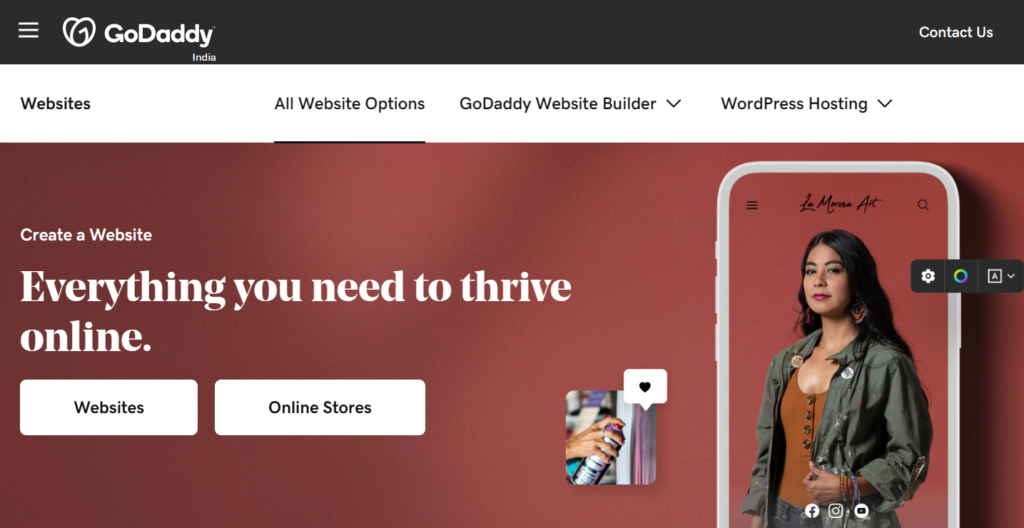
Known primarily for its domain registration and hosting services, GoDaddy also offers a user-friendly website builder aimed at beginners.
Features:
ADI (Artificial Design Intelligence)
Mobile-friendly design
SEO optimization
Email marketing tools
Simple e-commerce functions
24/7 support
Pros:
Very easy to use for beginners.
Fast setup to get online quickly.
Effective integration with other GoDaddy services.
Cons:
Limited design flexibility.
E-commerce features are basic compared to specialized platforms like Shopify.
7. Adobe Dreamweaver
Overview:
Adobe Dreamweaver stands out as a website builder for those who prefer to manually edit website code while still having access to a visual interface.
Features:
Code editor
Live view
Multi-monitor support for Windows
Git support
Flexible coding engine
Integration with Creative Cloud
Pros:
Powerful for those with coding knowledge.
Offers full control over web design and development.
Integrates seamlessly with other Adobe products.
Cons:
Steep learning curve.
Not a traditional drag-and-drop builder; more suitable for experienced developers.
8. Jimdo
Overview:
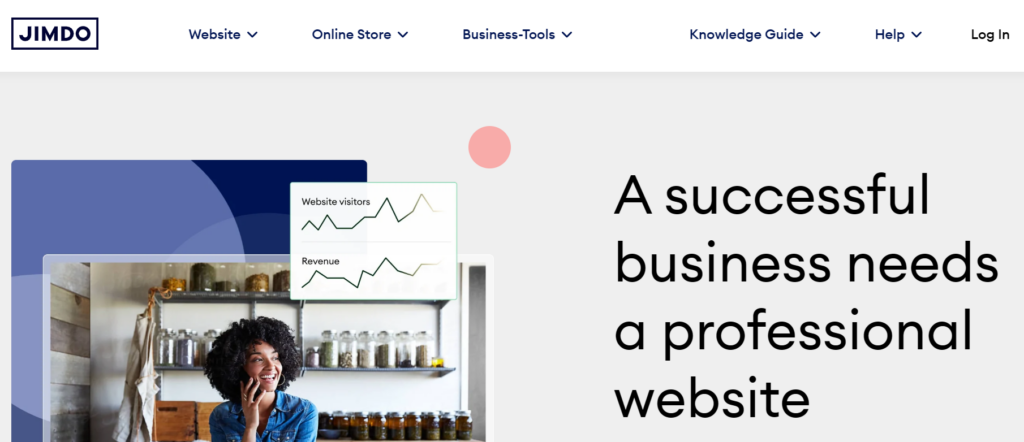
Jimdo is perfect for users looking for simplicity and speed in creating a basic website, using AI to streamline the design process.
Features:
Dolphin AI-powered builder
Responsive design
SEO tools
Photo galleries
Blogging tools
Basic online store features
Pros:
Extremely quick setup.
No technical skills required.
Automatically designed websites based on user input.
Cons:
Limited customization options.
Not suitable for complex e-commerce needs.
9. Zyro
Overview:
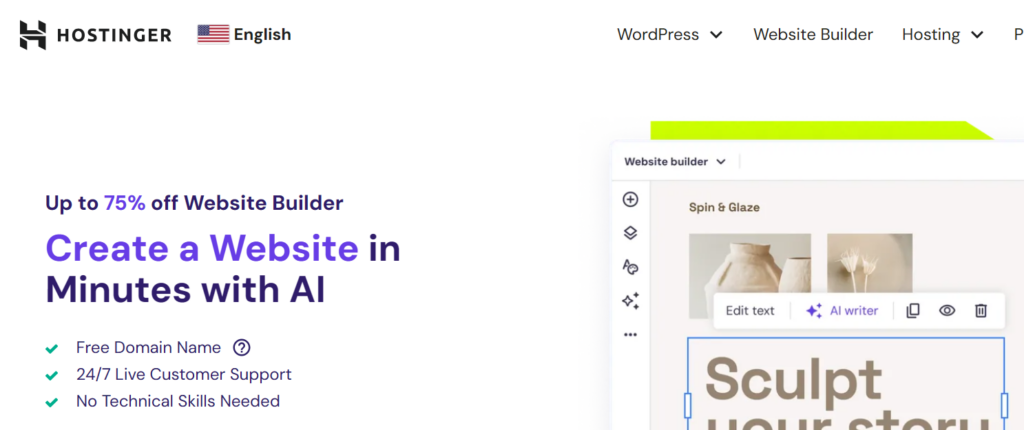
Zyro (owned by hostinger) is a newer player in the website builder market but has quickly gained recognition for its affordability and simplicity.
Features:
AI content generator
Drag-and-drop editor
Logo maker
AI Heatmap
SSL security
E-commerce functionality
Pros:
Very affordable with straightforward pricing.
Innovative AI tools help with various aspects of website creation.
User-friendly interface suitable for beginners.
Cons:
Limited features and integrations compared to more established competitors.
Templates and design options are more basic.
10. BigCommerce
Overview:
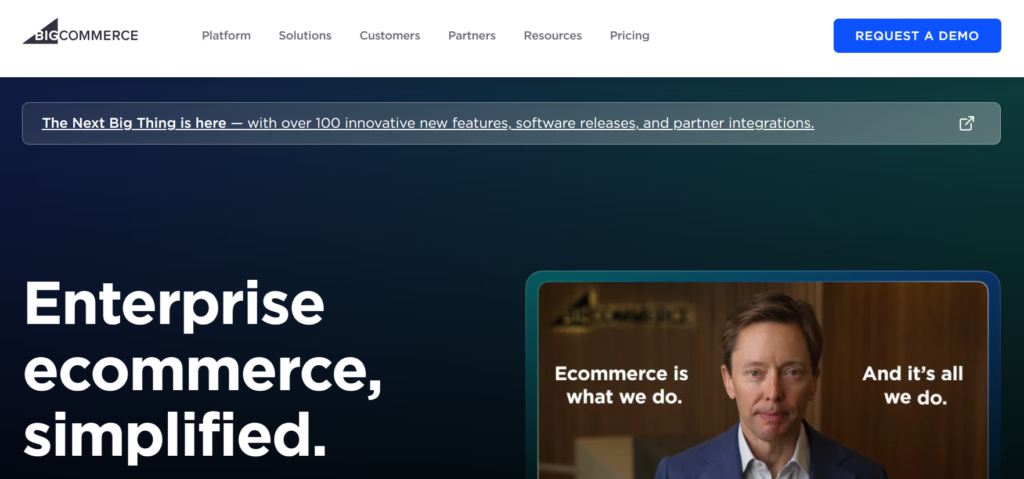
BigCommerce is designed for larger online stores that need a powerful, scalable e-commerce platform.
Features:
Advanced product search
Multi-currency sales
API access
SEO features
Integration with various payment gateways
Customizable templates
Pros:
Focuses on large e-commerce businesses.
Extensive features for growing stores.
Strong SEO capabilities.
Cons:
Can be overwhelming for small businesses or beginners.
More expensive than some other options.
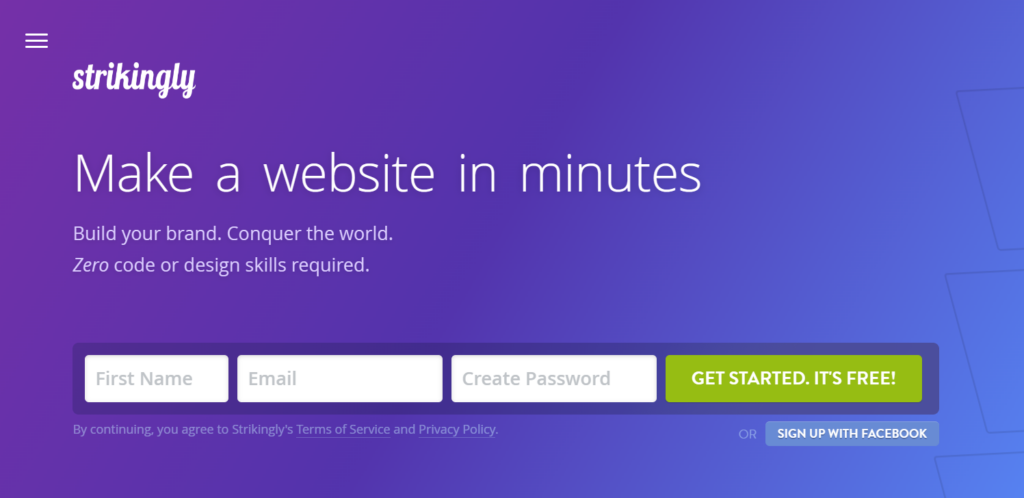
11. Strikingly
Overview:
Strikingly specializes in creating one-page websites that are easy to build and navigate, making it perfect for personal projects and portfolios.
Features:
Simple Store for e-commerce
Blogging tools
Sign-up and contact forms
Social feed integration
Responsive templates
Domain registration
Pros:
Ideal for quick, simple websites.
User-friendly interface.
Affordable pricing.
Cons:
Limited by the nature of single-page sites.
Not suitable for complex or large-scale websites.
12. MotoPress
Overview:
MotoPress offers a WordPress-based website builder that enhances the functionality and design possibilities for users looking to create a website today.
Features:
Visual builder for WordPress
Content modules for various media
Pre-built templates
Full integration with WordPress
WooCommerce support
Slider and lightbox functionality
Pros:
Integrates well with WordPress.
Suitable for users who prefer a plugin over a full platform.
Offers additional plugins for extended functionality.
Cons:
Requires some familiarity with WordPress.
Not a standalone site builder; depends on WordPress for hosting.
13. Site123
Overview:
Site123 is known for its straightforward approach to website building, making it easy for anyone to get a site up and running quickly.
Features:
Free hosting
SEO tools
Mobile optimized
Multi-language support
E-commerce capabilities
Blogging tools
Pros:
One of the easiest builders to use.
No design skills necessary.
Free plan available.
Cons:
Less design flexibility.
More basic features compared to other builders.
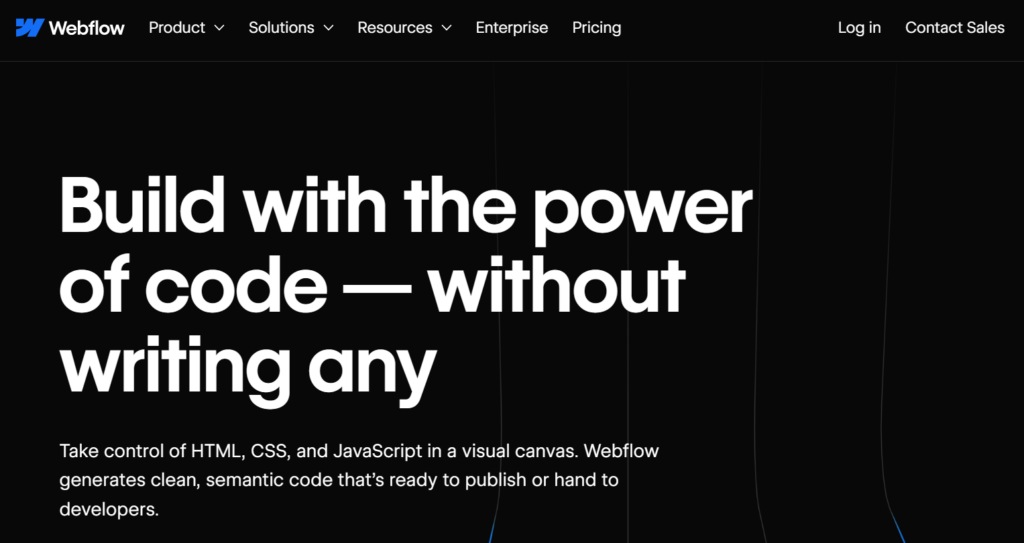
14. Webflow
Overview:
Webflow is aimed at designers who want more control over their site’s design and interactions without diving deep into code.
Features:
Visual CMS
Interactions and animations
Client billing
Integrated SEO tools
E-commerce integration
Exportable code
Pros:
High degree of customization.
Professional-grade design capabilities.
Allows for complex interactions and animations.
Cons:
Steeper learning curve than other builders.
Pricing can be high for premium features.
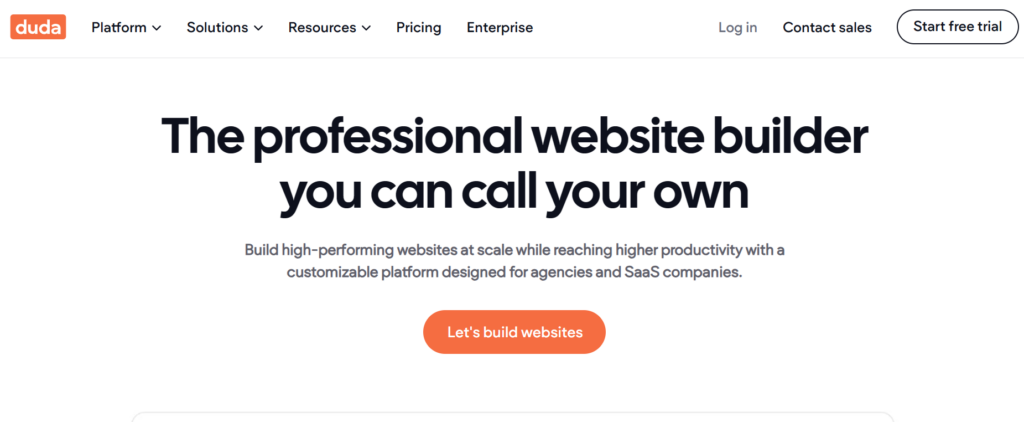
15. Duda
Overview:
Duda is designed for web professionals who build multiple websites and value speed and efficiency.
Features:
Team collaboration tools
Client management
Widget builder
Personalization tools
E-commerce solutions
Multilingual capabilities
Pros:
Strong set of features for professionals.
Focuses on collaboration and client management.
Efficient building process.
Cons:
More expensive than solutions aimed at individual users.
May be overkill for users with simpler needs.
Conclusion
Each of these website builders offers unique tools and features that can help you create a website today. However, Elementor stands out as the best choice for WordPress users due to its flexibility, comprehensive design options, and strong community support. Whether you’re building a simple blog or a complex e-commerce platform, Elementor provides the tools you need to create a powerful and engaging online presence. Remember, the best website builder for you will depend on your specific needs, skills, and budget. Explore these options and choose the one that best fits your vision for your online space.
Presentations are a key element for success in professional and educational environments. Be it presenting a business idea, delivering an anticipated lecture, or disclosing a project, presentations are invaluable tools in the communication of information.
Well, who really will have the time to create a presentation from zero? Even though creating a visually beautiful presentation design is vital, it may easily take up time when you should be spending that time on your presentation delivery or other more pressing tasks.
Fortunately, we now have exciting tools such as Plus AI which transformed the process of creating presentations. Plus AI’s sophisticated artificial intelligence skills save you from the burden of creating visually appealing presentations, freeing you up to concentrate on impactfully conveying your message!
Plus AI – What is It?
Plus AI (Plusdocs), the best AI presentation generator for Google Slides, allows customization and creation of presentations simply by the use of artificial intelligence. Haven’t enough of a programmer? Worry not! All you need to do is install the Plus AI extension from the Google Workspace Marketplace, and you can start using Plus AI straight away in Google Slides – without learning another design tool. Once you have this extension installed, you can use Google Slides to access it and instruct Plus AI on the type of presentation you wish to create. Plus AI will create a high-end and personalized presentation within just a minute according to your chosen criteria. You won’t ever need to start from zero when designing a presentation.
After you have generated your presentation with Plus AI’s tools, you will be able to utilize its additional smart AI features, such as adding new slides, rewriting the text, automatically changing the layout, and designing it further. AI also covers more than 100 different templates for users to pick and use. However, if none of them sticks to you, you can also create a custom theme by adding your logo to it and choosing fonts and colors that reflect your branding.
Essential Features of Plus AI
Prompt to presentation
Transform text into slides
More than 100 amazing layouts
Possibility of AI in any language
Change the look of your slides
AI-powered design slides
Who is Plus AI Most Likely to Help?
Businesses: For doing sales pitches, client representations, or internal meetings, Plus AI helps businesses present visually nice and attractive presentations that would impress the audience.
Educators: Teachers and professors can rely on Plus AI to come up with outstanding presentation slides on very short notice for their lectures. Applying the technology of artificial intelligence, teachers convert passive content to attractive slides that attract students’ attention and indeed place them in the position of receiving quality education.
Startup Owners: Also, AI’s set of tools can be utilized to assist in the creation of compelling and professional pitch decks that maintain the attention of investors or clients. The startup owners can concentrate on the entrepreneurship strategy and leave the presentation design to Plus AI.
Bloggers: Rather than resorting to traditional blog posts, bloggers can enrich the experience of their readers with the Plus AI by converting written content into interactive or shareable slideshows. Regardless of the type of post, a tutorial, or a roundup of the products, AI Plus aids bloggers in making their content presentable and more appealing to a larger public.
Precise Plus AI Guide: Create a Presentation in a Minute
There comes an important part – we are now familiar with the features of the Plus AI and now it’s time to see how they work.
Here is how you can do it. It takes only a few minutes for Plus AI to make a Google Slides presentation. Let’s recap everything one by one so you don’t get lost in the process.
Sign in to your Plus AI account
Install the Plus AI plugin
Open Google Slides
Make a blank presentation
Click the Plus AI extension
Begin your free trial
Get a presentation started
Select a preset
Create an outline
Select a theme
Generate!
Among all presentation makers, Plus AI stood out without any doubt. Whichever field you work in, they will make your work easier and more successful with their tools. Therefore, hurry up and experience the numerous advantages of this incredible tool!
It may not be as taxing as big companies, but running a small business still means juggling many tasks, especially your financial activities. But today, here are some tips and tricks with online tools that can transform your financial game.
These handy digital tools will help you streamline your business processes and boost accuracy from speedy loan comparisons and intuitive budgeting software to credit health checkers.
Finance Web Tools for Your Business
Quick Loan Comparison Platforms
Today, some of your innovative financial aid may come from quick loan comparison platforms that act like they’re your financial matchmakers. These platforms simplify and help ease the often confusing process of finding the right loan for you.
With the ease of assessing loan options online, entrepreneurs can effectively use the resources provided by the SBA to help small businesses like yours find the most suitable financing. These efficient services are found in many web companies like Lendio. They can help find lenders with competitive interest rates, terms, and eligibility criteria within minutes.
So, to lessen your workload, adopt your own loan comparison platforms to help you manage, at the same time, level up your business.
Efficient Budgeting Software
It actually works like a financial GPS for small businesses–these budgeting software can guide you toward your financial goals with precision. Many of these efficient software, like QuickBooks or FreshBooks, are user-friendly platforms where you can track income and expenses, generate insightful reports, and create achievable budgets–all in one place.
Since you can visualize your cash flow in these systems and identify your spending patterns, you can make well-based decisions to optimize your financial cycle and stay on track.
Real-Time Credit Health Monitoring Services
Many online credit health monitoring services can act like vigilant guardians to make sure your financial well-being remains in good health. Some of them, like Karma or Experian, can help you obtain real-time updates on your credit scores and alerts for any suspicious activity on your account.
For thriving small businesses like yours, maintaining a healthy credit profile is your ticket to accessing favorable financing options and securing investors or partnerships. With these tools, you can competently manage your credit, detect potential issues early, and take positive actions to safeguard your financial standing.
Meticulous Expense Tracking Applications
Just like accounting software or a digital accountant, these expense-tracking applications can meticulously record every penny you spend to keep your business financially healthy. Applications like Take Expensify or Receipt Bank, for example, are handy apps that can allow you to snap photos of your receipts, categorize expenses, and track spending in real-time.
So, by getting a clear overview of where your money is going, you can identify those you need to cut off or minimize to prevent overspending and rocking your financial boat.
Innovative Invoicing and Billing Software
These innovations in invoicing and billing software can serve as your digital assistants to help you streamline the process of sending invoices and tracking payments. It’s best that you consider tools like Square Invoices and Xero to assist you in creating professional invoices, sending them to clients, and monitoring payment status without sweat.
By automating these things and tasks, you can efficiently improve your cash flow, reduce admin hassles, and ensure timely payments.
Efficient Payroll Management Sys
Paying for your team today has never been this pressure-free with payroll management systems that work like highly efficient digital assistants. They simplify the complex task of paying employees, like Gusto or ADP, for instance. They are your trusty platforms to automate payroll calculations, tax deductions, and direct deposits to your employees’ accounts.
These automated capabilities save you valuable time, aside from reducing paperwork and risk of errors. Their intuitive interfaces and compliance features can assure you of accurate and timely payments to keep your employees happy and your business operations running smoothly.
Trusty Tax Prep Software
Today’s tax preparation software is like your very capable virtual accountant at your fingertips. They can simplify tax season nuances for your small business. You may consider Intuit TurboTax or H&R Block platforms, for example. These user-friendly and efficient online tools can guide you through tax filing and all its processes.
These platforms usually prompt you to input tax information, like your tax base and eligible deductions. With their built-in error checks and electronic filing capabilities, you can make sure you have accuracy and efficiency in your filing, reducing your stress of tax compliance and, at the same time, avoiding costly tax filing mistakes.
For self-employed individuals impacted by COVID-19, the Self-Employment Tax Credit (SETC) can provide significant financial relief. Introduced as part of the Families First Coronavirus Response Act (FFCRA), the SETC offers credits of up to $511 per day for a maximum of 10 days in 2020 and 2021 if you were unable to work due to COVID-related circumstances, and up to $200 per day for family leave if you had to care for a child whose school or daycare was closed due to the pandemic.
Reliable Financial Reporting and Analytics Tools
Acting like your virtual Finance Officer, these financial reporting analytics tools can be your competent helpers in making reliable data-driven decisions.
Some of them are QuickBooks Online and DataRails, which are digital financiers you can use and trust. They can compile your financial data into clear, customizable reports, offering insights into your profitability, cash flow, and performance trends.
By giving you the visuals of your business’s key figures and identifying areas for improvement, you can optimize operations and use your resources strategically to succeed in the ever-evolving business landscape.
Conclusion
As you embrace these digital solutions, you can easily and competently flow through business challenges with confidence. From streamlining payroll to optimizing tax preparations and gaining actionable insights through analytics, each tool can play a vital role in making sure you achieve financial success.
Remember when work was a place you went, not just something you did? Not too long ago, employees’ physical presence in the office space was a must-have – then came along a tide of technology that changed the way we define the concept of work.
While there are still some companies that don’t accept remote work, the number is decreasing every year. Most companies today practice a hybrid work approach, where employees spend two or three days per week at the office and the rest working remotely.
Whether we accept remote work as a possibility or not, one thing is clear: recent technological advancements have set in motion a series of changes that can’t be undone. As such, today, we’ll have a look at how specific technologies have impacted the way we work and what we should expect in the near future.
Communication Platforms
Remote work can’t happen without effective digital communication, so it’s safe to say that the emergence of user-friendly platforms like Slack, Microsoft Teams, or Zoom helped reshape corporate culture and recalibrate team dynamics.
Slack offers instant messaging with seamless integration of various work tools, while Zoom’s video conferencing capabilities make face-to-face meetings possible across continents. Microsoft Teams merges these features into an all-in-one collaboration hub, offering features for both live document editing and project coordination.
Moreover, with AI integration, communication platforms can now offer predictive text, smarter scheduling assistance, sentiment analysis on communications (to gauge engagement or customer satisfaction), and even automate routine tasks.
Collaborative Tools
Teamwork is crucial for achieving efficient results, but it becomes even more important when working remotely. This is why the right tools can make a world of difference. Collaborative software ups the game by keeping everyone on track and in sync, no matter where they are.
Take Asana: it’s like a digital to-do list for your whole team, helping you break down big projects into tasks you can actually tackle. Trello uses boards and cards so you can see who’s doing what at a glance, cutting through the confusion. Lastly, Dropbox and Google Drive are amazing for stashing and swapping files without fuss.
The results are also clear: teams that use project management tools are more likely to nail their projects. Straightforward collaboration tech is essential as it keeps work flowing smoothly – even when your team is spread across different time zones.
IT Management Solutions
A couple of years back, many companies found themselves forced into the world of remote work without any time for extensive preparations and planning. This opened the door wide open to ill-intended actors who went on a rampage, looking for weak or unsecured connections. Many businesses suffered data leaks and ransomware attacks, and many couldn’t recover from the shock.
This is why companies that work with remote teams need reliable and solid IT management solutions. These tools give a clear overview of every device and software in use, which means you can prevent problems before they occur.
Tools like Remote Monitoring and Management (RMM) are essential for IT teams managing off-site workstations. They can remotely install updates, run diagnostics, and fix issues – often before the user even notices a glitch. Technology research firm Comparitech notes “there are 50+ RMM solutions on the market.” and identifies 7 criteria to help you compare vendors.
Companies with proactive IT management report up to 85% less downtime. In short, keeping your digital gears running smoothly isn’t just about avoiding hiccups; it’s about making sure everyone stays connected safely.
Cloud Services
The cloud was a game-changer for remote work, with tech giants like Amazon Web Services (AWS), Microsoft Azure, and Google Cloud leading the charge. These platforms have revolutionized the workspace by offering easy-to-use tools right at your fingertips – no matter your location.
AWS offers a flexible environment where you can run applications and store data without investing in physical servers. Over time, it proved to be a great tool for anyone, from Agile startups to Fortune 500 companies.
Microsoft Azure’s suite connects seamlessly with familiar Office software, making it a comfortable fit for many businesses transitioning online. Meanwhile, Google Cloud shines with its data analytics prowess and integration with consumer-friendly apps.
What stands out is the security these clouds offer; enterprise-grade protection means sensitive company information stays safe in virtual lock boxes. Plus, scalability is a breeze – your digital infrastructure grows as you do, sidestepping any growing pains linked to on-premises setups.
Wrap Up
Technology has irrevocably transformed our work landscape, turning what was once stationary into something boundless. The digital age redefined ‘office’ to wherever there’s Wi-Fi and stretched traditional 9-to-5 boundaries around the clock.
As we look ahead, advances in tech will continue to dismantle the old blueprint of workplaces and replace it with dynamic, effective remote ecosystems that are as limitless as they are secure. The future of work isn’t coming – it’s already here.
Live streaming involves broadcasting real-time footage over the internet, allowing viewers to engage via chat. Gaming live streams, capturing gameplay and sometimes the player’s video feed, dominate platforms due to their popularity and profitability. Statista forecasts the gaming livestream industry to reach $13.65 billion by 2024’s end, with 1.8 billion users by 2029. Choosing the right streaming platform is crucial, but you first need to ask yourself why you want to stream.
Is it for enjoyment, business marketing, community building, or direct income? According to CyberGhost’s piece, understanding your purpose is key before exploring the vast streaming realm.
Let’s discuss why people might want to start streaming in more details.
Streaming for Entertainment
Many find joy in streaming, sharing activities and engaging with friends. Easily stream games with Nvidia or AMD’s built-in functionality, or use your phone for real-life streams. Choose any convenient platform for fun streaming, but aligning with friends’ preferences enhances the experience.
Streaming for Advertising
Businesses, large and small, boost marketing via streaming. Livestreams address queries, demo new products, and showcase expertise. Like YouTube or blogs, streams serve as vital marketing tools. Formats must suit the audience; dry content won’t engage. Tailor streams to fit your core customer base, broadcasting where they’re most active on social media.
Streaming to Develop a Community
Certain streams promote community around various subjects, individuals, or brands. Community-building intersects with marketing, monetization, and enjoyment. Yet, sometimes, fostering a community is the primary goal. Some streamers advocate for causes like gaming accessibility, while others unite around shared interests like knitting or programming. Engaging with viewers in chat creates a sense of camaraderie, similar to being among friends, though sometimes this feeling can be misleading.
Streaming to Earn Dollars
Streaming can be tempting as a full-time gig, but relying solely on it for income isn’t realistic. Most streamers, except the top few, struggle to earn enough. To make significant money, you need a large concurrent viewer count, which is rare. Many mid-level streamers supplement their income with merchandise sales, donations from other platforms, and sponsorships. However, sponsorships can fluctuate, and donations might decrease during tough times. Diversifying income streams is crucial. Merchandising, such as selling branded products or offering exclusive content for subscribers, can boost revenue. While some creators strike it big quickly, others may take years to gain traction. Therefore, it’s wise to keep a day job until streaming income stabilizes. Remember, success in streaming often requires patience, persistence, and multiple sources of revenue to sustainably support a livelihood.
Once you decide why you want to stream, the next question is how to make money from live streaming. Here are some methods to gain income from live streaming.
Live shopping
Live shopping, or live stream shopping, merges e-commerce, social media, and live video. These streams sell products/services in real-time, allowing viewers to purchase instantly. Brands or content creators can host these streams. Streaming options include social media apps like YouTube and TikTok, dedicated platforms like TalkShopLive and Amazon Live, or integrating with your own e-commerce store. Each option enables product showcasing and seamless purchasing, whether it’s through specific features, apps, or QR code integration. With live shopping, reaching and engaging with audiences becomes effortless, regardless of platform, enhancing the shopping experience for both sellers and buyers.
Donations or rewards
Receiving your first donation or tip in the realm of live streaming is a milestone worth celebrating. It signifies that someone values your content enough to support you financially, even if it’s just a few dollars. Major platforms like YouTube, Twitch, and Facebook offer various ways for viewers to donate or tip creators. YouTube’s Super Chat allows pinned messages, Twitch uses Bits for cheering, and Facebook offers Stars. Remember to acknowledge and thank your supporters, especially during live sessions or AMAs. These contributions can indicate that your streaming venture is gaining traction and heading in the right direction.
Paid subscriptions
Receiving occasional tips from your audience is good, but consistent payments are even better. Although each payment may be small, they accumulate over time. However, to access this support, you must meet specific criteria set by platforms, typically part of their content creator programs. Here’s a breakdown of recurring payment options on major platforms:
– YouTube offers a channel membership program for creators in its Partner Program, allowing subscribers to make monthly payments.
– Twitch provides a subscription program for Affiliates and Partners, with viewers able to use Twitch Prime or payment methods like PayPal and credit cards.
– Facebook Gaming offers Fan Subscriptions for Level Up gaming creators, requiring a minimum of returning weekly viewers and available in select regions.
Creating exclusive content for subscribers is a nice gesture to reward loyal supporters, and acknowledging subscriptions and anniversaries promotes a sense of appreciation. Additionally, employing third-party services like Patreon can facilitate recurring payments from fans.
Long gone were the days when people solely opted for conventional learning, when they actually had to go to a particular school in order to pursue their education. Nowadays, most people turn to online courses/schools.
Why is that? Well, that’s because they are generally way more flexible and practical, which is perfect for those who do not have a lot of free time on their hands. But does it mean that all online education programs are equally good?
Just like with everything else, you have great things and the ones that are not as much. Today, we are going to tell you what factors you must take into consideration if you want to ensure you select the best online education program.
Is It Flexible Enough?
As stated in the beginning, one of the biggest virtues of online schools is the fact that they are very flexible and are generally designed to fit almost everyone’s schedule. Even if you cannot find enough time throughout the year, you can always choose summer school online because that is the time of year when most people take their time off from work and other obligations. But the point is, you need to pick the school where you are fine with both its flexibility and the length of the program.
What we can tell you right now, is that fortunately, a vast majority of online education programs are quite flexible and provide people with very diverse learning models. The most common ones include:
Asynchronous Courses – This means that you can gain access to the learning material at any given moment. That’s all because these programs were primarily designed to fit around your schedule.
Self-paced Learning – They do not put any pressure on you, meaning that you can determine your own pace.
Blend Learning Models – This is intended for people who love both models of learning, an online version, as well as face-to-face interaction.
Accreditation Is Very Important!
In case you didn’t know, accredited institutions are obligated to comply with a couple of requirements, hence it’s critical to opt for an education program that’s accredited. Keep in mind that only programs that are accredited by the Department of Education can qualify for federal funds, meaning, that if you want to apply for any form of financial help, then you’ll be able to receive one, only if you choose an accredited online education program.
But does it instantly mean that every accredited school offers top-notch quality? Sadly, the answer is no. Even though that’s undoubtedly a major plus, there’s no guarantee that there’ll be no issues as far as this is concerned.
How come? Well, that’s because there can be a lot of holes during this whole accreditation process, which isn’t something that a typical student can uncover right away, or even ever. In other words, you should definitely prioritize accreditation, however, do not stop at this factor only while you are on your research journey.
How Much Time Do You Have For These Programs?
Although it was concluded previously that a lot of online education programs are generally very flexible, you can never tell whether you will select the one that isn’t as flexible when it comes to time and pace.
In these instances, you will have to deal with a bunch of classes, deadlines, and many other things that may be too much for some of you. Not to mention the fact that it is expected of you to make progress every single week.
Of course, this highly depends on the online education program you pick in the first place, however, do not forget that most of these programs require your time and effort. Therefore, it’s of huge importance to first ask yourself if you’ll have enough time for something like this.
In most online education programs, you will have to spend at least ten hours per week on classes, and other activities that are related to it. Consequently, it would be wise to first create a plan, that’s going to help you determine whether you are ready for this endeavor or not.
Great Learning Environment
There’s no progress, if a learning environment is not good enough and intended for all types of students. So what do we mean by that? It means that it’s supposed to have user-friendly interfaces that can easily be used by everyone and to come with features that will streamline communication between students and teachers.
The reality is that there are so many spectacular online education programs out there, however, if you want to be one hundred percent sure you selected the right one, then you need to follow all these steps that were mentioned today.
Want to advertise your products and increase sales? Cross Listing is a great way to do that.
In this article, we’ll guide you on how to cross list your products effectively across all e-commerce platforms. Stay with us to learn more.
So… What is Cross Listing?
Cross-listing is the practice of vendors simultaneously putting their goods for sale on several e-commerce sites. This raises the seller’s chances of closing a deal by allowing them to connect with more prospective customers.
Sellers can post their goods on platforms like Facebook Marketplace, Etsy, Depop and others to improve exposure and attract more buyers. By using cross-listing, sellers can expand their audience, increase sales, and eventually expand their business.
Nevertheless, sellers frequently need to monitor their inventory and listings across all platforms to ensure a positive client experience and avoid order issues.
Types of Platforms for Cross listing
There are different kinds of platforms for crosslisting.
1. E-Commerce Marketplaces
Amazon, Depop, Etsy are common e-commerce marketplaces that usually attracts a large no. of buyers searching for various products, offering sellers a wide reach and potential customer base.
2. Social Media Platforms
You can also cross-list via social media platforms. This is especially beneficial to sellers, businessmen and entrepreneurs. Cross-listing your products on social media is one of the best ways to promote your goods and services.
You will save time because you will not have to manually post each and every one of your posts on the different platforms. You can set up shops as well- either on the Facebook marketplace or Instagram. Sellers can make use of these platforms to advertise their products to a larger audience, increase their sales and engage with the customers.
How to Prepare Your Products for Crosslisting
Read on to learn how you should prepare your products and services for cross-listing-
#1 Check Whether the Product Is Fit for Cross-Listing
Sellers should know who their target audience is and check if their products meets their needs and requirements before they cross-list them. As a seller, you need to confirm whether or not the sites you intend to cross list on, actually allows for crosslisting products.
This means that you will have to check if your products align with the platforms’ policies and rules. If you sell something that does not adhere to the policies of the online e-commerce marketplace, your account might get suspended or you might get penalized and will have to pay fines.
The title should describe the product accurately, and the same goes for the pricing. Your pricing info should be accurate as well. Use high-quality images for your products so that the buyers know what exactly they’re buying.
Lastly, you need to be able to determine the demands of your products on the different platforms and optimise accordingly.
Make Sure All Information About the Product is Correct
Sellers should make sure that their product information is platform-appropriate and has consistent titles, descriptions, and images.
When customers receive true and accurate information about your products, regardless of the platform via which they interact with you, they feel reassured and satisfied. Sellers, thus, gain loyal customers who will be back to purchase more of your products in the future.
4 Tips for Cross-listing Your Products Effectively
1. Conduct a Thorough Consumer Research
When conducting research, decide which sales channels are most appropriate for reaching your target audience.
After you get to know them and understand their preferences, you should create a strategy to contact them through priority channels.
Use your saved funds wisely on your best performing sales channels and remove the non-productive ones.
2. Understand the Policies of the Platform
Every platform has its own guidelines for product descriptions, images, prices, and advertising strategies.
Sellers should be aware of these policies can prevent violations that might result in penalties or account suspension.
3. Be Organized
Sellers should create a cross-listing process and timetable. It will help them remain productive and organized.
For example, if a seller is working in a team, they should assign tasks, decide when and how frequently they will list and update their products on each platform, and set aside time for product listing optimization.
Note: It’s also important to use the best cross listing apps since they have quite a lot of features that would be quite helpful for the sellers.
4. Offer Rewards/Coupons for Extra Purchases
Sellers should encourage their customers by offering them discounts or coupons. It will enticing for customers and this would result in them making more purchases.
For instance, you could offer discounts to clients who buy from numerous platforms on their purchases or special offers for those who follow you on different social media networks.
Getting customers to shop across platforms increases sales and encourages consumer loyalty.
Conclusion
And that’s it! Remember, successful cross-listing for sellers requires careful planning, organization, and a deep understanding of your target audience and platforms.
Remember to follow the above-mentioned steps—do consumer research, create a well-organized schedule, and offer coupons and rewards across-platform purchases.
Following these tips will help sellers increase their brand’s or business’ reach, make a lot of sales, and improve the overall customer experience.
Sending money online overseas has become popular today especially among people who wish to support families or manage funds back home in India. However, sometimes this process may come at a cost due to hidden charges and fluctuating exchange rates. By understanding these factors, you will be able to save more while still sending money faster.
What are the Best Transfer Services?
There is a need to be careful with the choice of transfer service. There are a variety of online platforms to send money online to India that each have their own set of charges and exchange rate policies. It might charge very low transfer fees but make it up in terms of less favorable exchange rates, while for others it could be the reverse. Thus, it is important to do some comparison on how much money you want to send, how fast you want it transmitted and how you want the receiver to receive it.
What about Exchange Rates?
Exchange rates are what determine how much a recipient gets in their local currency for international money transfers. These rates vary due to global economic factors, which indicates that timing plays a crucial role in maximizing your transfer value. Some services offer the option of fixing an exchange rate or sending an alert when they reach your preferred level so as to enhance the value of your transfer.
Understanding Fees
The most visible cost associated with sending money via the internet is the fee charged per transaction; however this can also be quite varied. Transfer costs could be a set sum or a proportion of the transfer amount, with additional payments on some services being charged for specific methods of payments or quick transfers. For this reason, it is necessary to go through the small print and understand how much your selected service charges its clients.
Local Banking Partnerships as Leverage
There are international money transfer providers with local banking partnerships in India that offer better rates and lower fees. Besides, these alliances speed up the process and make funds accessible faster than traditional methods. Therefore, it is advisable to find out if your provider has such arrangements as this can result in significant savings and convenience.
How Much You Pay?
Consider the overall expense when selecting which method to use – calculate both fees associated with a transaction as well as an impact made by an exchange rate on your transferred sum. Some services may have low fees advertised but less favorable exchange rates which could eventually turn out to be costly in comparison. To help you make better choices, compute the total cost for each option.
Keep Up-To-Date And Be Adaptable
Changing constantly are rates and fees in the worldwide currency transfer sector. Retaining a grip on the market trends and being open-minded about when to make transfers can deliver significant savings. Also, evaluating transfer services frequently and contrasting them helps ensure that you are always using the most economical option.
In summary, online money transfer to India can be an effective and efficient way of sending funds if approached with a proper perspective and strategy. Through understanding the details of charges as well as foreign currency rates, making use of partnerships for leverage, and staying up to date on what is happening in the market, you can optimize savings while ensuring that your remittances reach their intended recipients on time.