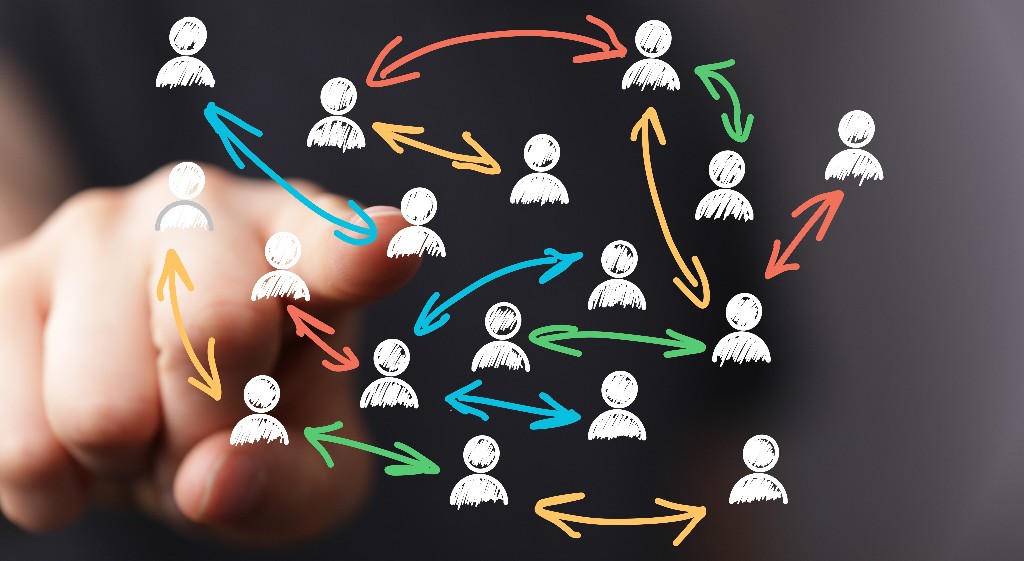
Choosing the right fundraising CRM system is the most consequential technology decision a nonprofit leader will make to ensure long-term donor loyalty and operational growth.
In the world of modern philanthropy, the margin for error is thinning. Lean teams are being asked to do more with less, data complexity is exploding across digital and physical channels, and donor expectations have shifted. Today’s supporters don’t just want to give; they want to be known. They expect every interaction with your organization to reflect their history, their passions, and their previous impact.
This is why the CRM must be viewed not merely as a digital filing cabinet, but as a fundraising multiplier. It is the infrastructure for relationship building, the engine for strategy, and the foundation for sustainable growth.
However, not all CRMs are created equal. To move from manual spreadsheets to a thriving donor ecosystem, you need a roadmap to identify a system that transforms your data into your greatest fundraising asset.
Step 1: Start With a Centralized Donor Database
The foundation of any successful fundraising operation is a single source of truth. When donor data is scattered across disparate spreadsheets, disconnected email tools, and the tribal knowledge of individual gift officers, stewardship suffers. If a major donor receives a generic appeal because their recent pledge wasn’t recorded in the main system, trust is eroded instantly.
A centralized database must be the non-negotiable core of your search. You need one authoritative system that captures:
- Comprehensive Giving History: Every gift, pledge, and soft credit
- Engagement and Interactions: Meeting notes, event attendance, and email opens
- Relationships and Affiliations: Family connections, corporate ties, and board memberships
- Institutional Knowledge: Ensuring that when a staff member leaves, the history of the donor relationship stays with the organization
When data is centralized, you unlock the ability to provide consistent donor experiences and accurate forecasting.The purpose-built fundraising CRM Ascend by Kindsight provides this essential foundation by serving as a unified, centralized data platform that eliminates fragmented records across all teams and touchpoints.
The need for a single source of truth is underscored by a sobering reality: the Fundraising Effectiveness Project consistently reports that the nonprofit sector struggles with a donor retention crisis, with rates often dipping below 45%. Without a centralized CRM to track and nurture these relationships, nonprofits are forced into a costly cycle of constant acquisition just to stay level.
By ensuring your single source of truth is built-in rather than bolted-on, Ascend removes the need for the manual workarounds that plague legacy systems, allowing your team to focus on donor relationships rather than data reconciliation.
Step 2: Choose a CRM Purpose-Built for Nonprofit Fundraising
One of the most common mistakes nonprofits make is attempting to force-fit a generic business CRM into a fundraising context. While commercial CRMs are powerful, they are built for sales cycles, not donor journeys.
The customization trap is real: the more you have to modify a generic system to handle soft credits, split gifts, or householding, the higher your technical debt and the slower your staff adoption becomes. A purpose-built fundraising CRM understands the nuances of:
- Moves Management: Tracking a prospect from identification to solicitation
- Complex Gifting: Handling pledges, matching gifts, and recurring donations
- Campaigns and Appeals: Linking every dollar directly to the initiative that inspired it
Step 3: Look for Workflow Automation That Protects Staff Time
Administrative overhead is the silent killer of fundraising productivity. If your gift officers are spending 40% of their week on manual data entry or gift processing, they aren’t out in the field building relationships.
Look for a CRM that offers high-value automation, such as:
- Automated Gift Processing: Reducing the manual steps from check received to receipt sent
- Task Creation: Automatically alerting a solicitor when a donor makes a milestone gift
- Data Validation: Tools that clean addresses or flag duplicate records in real-time
Automation isn’t just about efficiency; it’s about protecting your staff from burnout and freeing them to focus on the human side of philanthropy.
Step 4: Prioritize Active Donor & Prospect Management
Data alone is useless if it doesn’t tell you what to do next. The best CRM systems act as a GPS for your fundraisers. Instead of just showing a list of names, the system should offer prospect prioritization and suggested actions.
For major gift officers and mid-level managers, this means having a dashboard that highlights which donors are drifting (slipping in engagement) and which are ready for an upgrade. This proactive guidance ensures that no high-potential supporter falls through the cracks.
Step 5: Demand Robust Reporting and Fundraising Analytics
If you can’t measure your performance, you can’t improve it. Many nonprofits struggle with slow reporting, in which pulling a simple retention report takes hours of manual Excel manipulation.
Your CRM should provide real-time visibility into:
- Retention and Upgrade Trends: Who is staying, who is leaving, and who is giving more?
- Portfolio Performance: How are individual gift officers tracking against their goals?
- Campaign ROI: Which appeals are actually driving revenue after expenses?
Strong analytics create a culture of accountability and allow leadership to make data-driven decisions rather than relying on gut feelings.
Step 6: Ensure Gift Processing Can Scale With Your Organization
As your organization grows, so does the complexity of your financial operations. A CRM that works for 1,000 donors may buckle under the weight of 50,000.
Look for a system that supports bulk processing and flexible pledge schedules. Scalability also means having the controls in place to reduce errors and ensure that your finance team and development team are always in sync. A CRM that can’t scale becomes a bottleneck that eventually stifles your mission’s growth.
Step 7: Evaluate Data Security, Compliance, and Needs
Data security is a boardroom-level issue. This is especially true for institutions in healthcare or higher education that must navigate HIPAA compliance and complex permission-based access.
Ensure your CRM provider has a proven track record of handling sensitive data. For complex institutions, you need the ability to silo data where necessary (e.g., protecting patient privacy) while still maintaining a holistic view of the donor’s relationship with the institution.
Step 8: Consider How the CRM Supports Personalization at Scale
Donors are increasingly comparing their experience with your nonprofit to their experience with brands like Amazon or Netflix. They want personalized content, relevant outreach, and perfect timing.
A modern CRM enables segmentation at scale. By using data to trigger specific content based on a donor’s interests or past behavior, you create a sense of intimacy that is a massive competitive advantage in donor retention. When you treat a donor like an individual rather than a record number, loyalty follows.
Step 9: Look for Strong Integrations
No CRM is an island. Your fundraising stack likely includes wealth screening tools, donor portals, and email marketing platforms.
The best-of-breed approach only works if your CRM acts as the hub. Look for a system with an open API or pre-built integrations with tools like wealth and prospect research modules. When your research data flows directly into your CRM, your fundraisers have a 360-degree view of a donor’s capacity and inclination without ever switching tabs.
Step 10: Plan for the CRM You’ll Need in Five Years
The most expensive CRM is the one you have to replace in three years because you have outgrown it. When evaluating vendors, look past the features and look at the partnership. Does the vendor have a roadmap for innovation? Is the platform flexible enough to adapt to new fundraising trends, like crypto-giving or AI-driven outreach?
Choose a partner who views your success as their own. A long-term CRM investment should feel like a tailwind, pushing your organization toward its five-year and ten-year goals.
The Right CRM Turns Data Into Donor Relationships
At the end of the day, fundraising is about people, not points of data. But in a digital-first world, you cannot reach people effectively without a trusted, centralized record of who they are and why they care about your cause.
The right CRM (one that is purpose-built, automated, and scalable) does more than just track gifts. It enables strategy, empowers your staff, and turns cold data into warm donor relationships.
