Categories
Cybersecurity, Privacy & Online Safety

Enhancing Security: Essential Tools for Safeguarding Your Online Presence

Protecting your online presence has become more crucial than ever before, as cyber threats continue to evolve and increase in sophistication. 

We’ll explore essential tools designed to enhance your digital security, ensuring that your personal and professional data remains safe from unauthorized access and cyber-attacks.

Password Managers

Password managers are indispensable tools in the quest for digital security. 

They generate strong, unique passwords for each of your accounts, which is crucial because using the same password across multiple sites is akin to having one key for every lock in your life. 

Security and convenience

If one account is compromised, all are at risk. Password managers mitigate this by ensuring each password is unique and complex, significantly reducing the risk of breaches.

Most password managers come with browser extensions and mobile apps that autofill your login details for you, streamlining the login process for every website and app you use. This not only saves time but also encourages the use of stronger, more complex passwords since you don’t need to remember them.

Top Picks

  • LastPass

LastPass stands out for its user-friendly interface and a secure vault that stores passwords. It also offers form-filling capabilities, secure notes, and the option for emergency access to trusted individuals.

  • 1Password

1Password is celebrated for its strong encryption and the ability to store various forms of data securely, beyond just passwords. This includes documents, credit card information, and secure notes, all protected under a single master password.

  • Bitwarden

Bitwarden is a standout open-source option that appeals to those who prioritize flexibility and transparency. It allows users to host their server for ultimate control, offering a high level of security and customization.

Identity Verification 

These tools verify the identity of users during account creation or transaction processes, using various methods to ensure that individuals are who they claim to be. 

This is especially important in sectors like banking, e-commerce, and online services, where verifying the identity of users is critical to prevent fraud and comply with Know Your Customer (KYC) and Anti-Money Laundering (AML) regulations.

Fraud Prevention

Identity verification tools are essential in the fight against online identity fraud and theft. By accurately verifying the identity of users, these tools help to significantly reduce the risk of fraudulent activities, ensuring that only legitimate users can access services or complete transactions.

Compliance and Trust

For businesses operating in regulated industries, identity verification is crucial for compliance with KYC and AML regulations. These tools not only help in meeting legal requirements but also build trust with customers by safeguarding their personal information and transactions.

Modern identity verification solutions are designed to provide a frictionless onboarding experience. By automating the verification process, these tools can quickly validate identities without the need for cumbersome manual checks, improving the user experience and speeding up the onboarding process.

Leading Identity Verification Tools

  • Jumio

Jumio automates the online identity verification process, offering a solution that prevents identity fraud and identity theft while simplifying compliance with KYC/AML regulations. Jumio’s technology uses a combination of biometric facial recognition, document verification, and artificial intelligence to verify the identities of users in real-time. 

  • Veriff

Veriff provides a comprehensive identity verification service that supports various document types and verification methods across multiple countries. Its sophisticated technology, which includes facial recognition and machine learning, allows for quick and accurate identity checks, making it an excellent tool for businesses.

  • Onfido

Onfido offers an identity verification service that combines document verification with biometric analysis to help businesses verify the identities of their users securely and efficiently. Onfido’s technology is designed to reduce fraud, increase conversion, and streamline the user onboarding process.

Virtual Private Networks (VPNs)

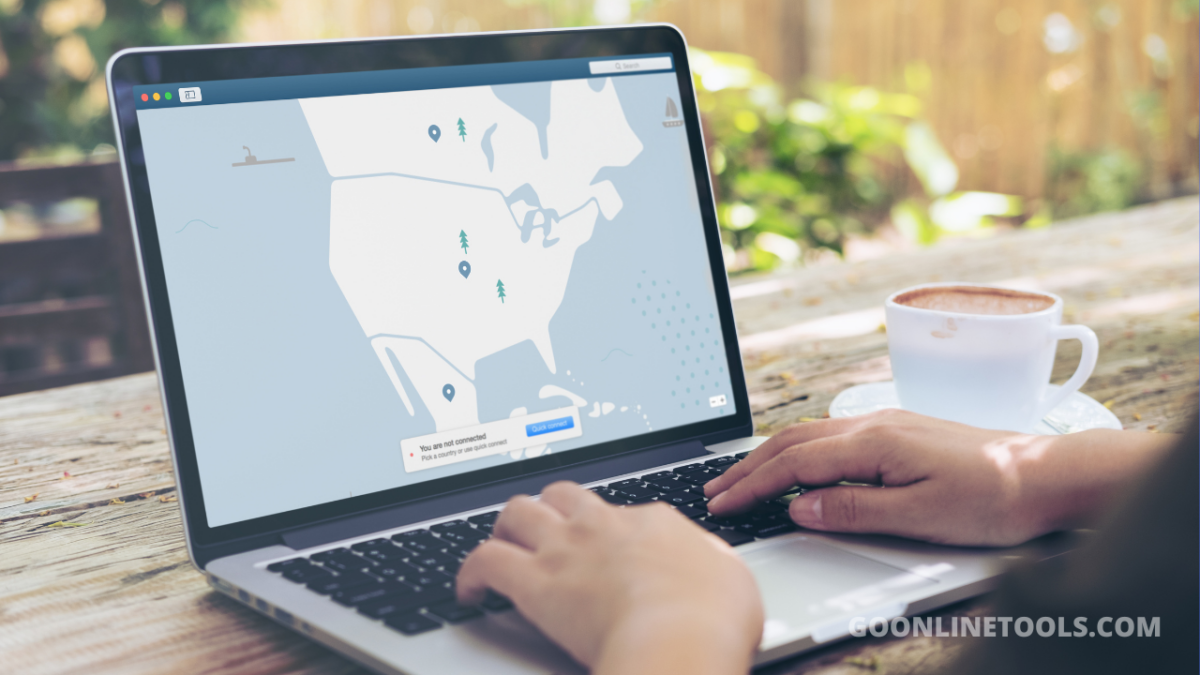
A Virtual Private Network (VPN) is an essential tool for maintaining privacy online. It encrypts your internet connection, making it impossible for Internet Service Providers (ISPs) and eavesdroppers to monitor your online activities. 

The best vpn for multiple devices encrypts ensures that all data transmitted and received is secure and private, even when using public Wi-Fi networks, which are often unsecured and vulnerable to interception.

Access to Restricted Content

VPNs are also invaluable for bypassing geographical restrictions and censorship. Whether you’re facing content blocks imposed by governments, workplaces, or educational institutions, a VPN can help you access the internet freely and without constraints. 

By connecting to servers in other countries, you can explore a global internet, accessing services and content that might be restricted in your region.

Leading VPN Services

  • NordVPN

NordVPN is celebrated for its strong encryption protocols and fast connection speeds, making it ideal for streaming, downloading, and secure browsing. It also boasts a no-logs policy, ensuring that your online activities are not recorded. It’s also ranked as one of the best VPNs for Windows PCs, offering user-friendly apps and advanced security features tailored for the platform.

  • ExpressVPN

ExpressVPN offers a vast network of servers across the globe, ensuring reliable and speedy connections. Its commitment to privacy and security is evident in its TrustedServer technology and strong encryption methods.

  • ProtonVPN

ProtonVPN places a strong emphasis on security and privacy, with a free tier that’s perfect for basic use. Based in Switzerland, it benefits from some of the world’s strictest privacy laws and offers Secure Core servers for additional protection against network-based attacks.

Antivirus Software

Antivirus software plays a critical role in defending your devices against viruses, spyware, ransomware, and other malicious software. It scans files, applications, and downloads for malware, automatically removing or quarantining threats. 

This proactive approach to security helps prevent malware from causing damage or compromising your personal information.

Malware Protection in Real-Time 

Modern antivirus solutions offer real-time protection, continuously monitoring your system for signs of malware and other threats. 

These ensure that any new threats are detected and dealt with immediately, offering a constant shield against cyberattacks and emerging vulnerabilities.

Highly Recommended Antivirus Programs

  • Bitdefender

Bitdefender delivers comprehensive protection with a minimal impact on system performance. Its multi-layered approach includes behavioral detection, web protection, and ransomware remediation.

  • Norton 360

Norton 360 extends beyond basic antivirus protection by including a VPN, cloud backup, and parental controls. It’s an all-in-one cybersecurity suite designed to protect your entire digital life.

  • Kaspersky

Kaspersky is known for its advanced detection capabilities, offering robust protection against a wide range of security threats. It includes features like payment protection and privacy tools, ensuring a secure online experience.

Secure Email Providers

Secure email services provide end-to-end encryption, ensuring that your emails are readable only by you and the recipient. This level of security is crucial for protecting sensitive information from interception during transmission.

Privacy Guarantees

Many secure email providers are based in countries with stringent privacy laws, offering additional protections against surveillance and data requests. 

These services often include features like anonymous sign-up and minimal data retention, further safeguarding your privacy.

Top Secure Email Services

  • ProtonMail

ProtonMail leverages end-to-end encryption and is based in Switzerland, offering one of the highest levels of privacy protection. It’s designed to be user-friendly and is accessible via web, iOS, and Android apps.

  • Tutanota

Tutanota provides a secure and affordable encrypted email service, focusing on privacy and simplicity. It offers automatic encryption of emails and attachments, ensuring that your communications are protected from prying eyes.

  • Mailfence

Mailfence offers a comprehensive secure email suite, including digital signatures and encryption. Based in Belgium, it provides robust privacy protections and integrates easily with other email clients.

Firewall Solutions

Firewalls serve as a barrier between your network and the internet, monitoring and controlling incoming and outgoing traffic based on predefined security rules. 

This includes blocking unauthorized access while permitting outward communication, providing a crucial layer of security for both personal and business networks.

Intrusion Prevention

By inspecting incoming traffic for malicious activity, firewalls play a key role in preventing unauthorized access and cyberattacks. Advanced firewall solutions can detect and block sophisticated threats, ensuring that your network remains secure against potential vulnerabilities.

Pen testing services are essential alongside having strong firewall solutions. For organizations, it is highly recommended to work with experts when choosing a pen testing services company to thoroughly test and identify vulnerabilities in their security infrastructure.

Recommended Firewalls

  • ZoneAlarm

ZoneAlarm provides a powerful firewall solution for personal use, offering easy setup and robust protection against inbound and outbound cyber threats.

  • GlassWire

GlassWire combines network monitoring with a built-in firewall, offering a unique visual approach to network activity. This allows users to easily detect and block suspicious activity, enhancing security.

  • Sophos XG Firewall

Sophos XG Firewall offers a comprehensive solution for businesses, featuring advanced protection, visibility, and response capabilities to secure networks against a wide range of threats.

Employing these tools is not just a matter of enhancing security; it’s a necessary step towards maintaining privacy, ensuring compliance, and fostering trust in the digital realm. 

As cyber threats continue to evolve, so too should our approaches to safeguarding our online presence, making the adoption of these tools an essential practice for anyone navigating the digital world.
Categories
Cybersecurity, Privacy & Online Safety

Clearing Your Digital Tracks: Privacy Measures to Consider

Safeguarding digital privacy has become more crucial than ever. Your digital footprint is extensive and can be exploited. This article explores essential privacy measures, guiding you through steps to clear your digital tracks and enhance your online privacy.

Understand Your Digital Footprint

Before diving into privacy measures, it’s essential to understand what comprises your digital footprint. This includes your online activities, social media interactions, search history, and the data collected by various platforms. Awareness of your digital presence is the first step toward taking control of your privacy because then, you can restrict data brokers and other entities from compiling a comprehensive profile of your online behaviors and preferences. In the words of the subscription-based service providers behind Incogni, you can make data brokers delete your information by utilizing specific strategies and taking proactive steps to reclaim control over your data – leveraging the opt-out mechanisms of significant data brokers. Many data brokers have established processes that allow individuals to request the removal of their information from their databases. Visit the websites of prominent data brokers and follow their opt-out procedures, typically found in their privacy policies.

  1. Use Private Browsing Modes

Most web browsers offer private or incognito modes that prevent the storage of browsing history, cookies, and other data. Use these modes when conducting sensitive searches or accessing personal accounts on shared devices to minimize the trace of your online activities. Cookies are small pieces of data stored by websites on your computer. While they can enhance user experience, they also track your online behavior. Adjust your browser’s cookie settings to control which cookies are accepted, and regularly clear stored cookies to minimize tracking.

  1. Review App Permissions

Mobile apps often request access to various features and data on your device. Periodically review and adjust app permissions to restrict access to only essential functions. Be cautious when granting apps access to sensitive information, such as location data and contacts. Also, choose a reputable VPN service that prioritizes privacy and does not log your browsing history. Restrict who can see your posts, control who can tag you in photos, and be mindful of the information you share publicly.

  1. Encrypt Your Emails

Emails can contain sensitive information, and encrypting them adds more protection. Consider using encrypted email services or tools that offer end-to-end encryption to safeguard the content of your messages from potential interception. Over time, you may have created accounts on various platforms you no longer use. These dormant accounts can pose a privacy risk. Conduct a periodic audit of your online accounts and delete those no longer necessary to minimize your digital footprint.

  1. Use Encrypted Messaging Apps

For private conversations, consider using encrypted messaging apps that prioritize end-to-end encryption. Apps like Signal and Telegram provide higher security, ensuring that your messages remain confidential and cannot be intercepted during transmission. Be mindful of the privacy implications of IoT devices, and configure them to gather only the necessary information. Regularly update their firmware to patch security vulnerabilities. Enable 2FA whenever possible, as it significantly protects your online accounts, including email, social media, and banking platforms.

In an era of increasing digital interconnectedness, safeguarding your privacy is paramount. By understanding your digital footprint and implementing proactive measures, you can take control of your online privacy. From using VPNs and encrypted messaging apps to regularly updating software and managing social media settings, these steps empower you to clear your digital tracks and navigate the digital landscape more confidently. Stay informed, stay vigilant, and prioritize your privacy in the ever-evolving digital world.

Categories
Cybersecurity, Privacy & Online Safety

Protecting Your Data in the Digital Age: A Guide to Encryption

Have you ever wondered how you can keep your private information secure in today’s digital world? As we conduct more of our lives online, we are exposing ourselves to growing cyber threats that put our sensitive data at risk. Bank details, personal photos, confidential business documents – everything is vulnerable. So, what can you do to protect your data from prying eyes?

One proven solution is encryption, which scrambles information to make it unreadable to unauthorized parties. According to a recent research by ExpressVPN, this method of data security actually has a long history dating back thousands of years. Read on to learn more about how encryption works and its evolution over millennia into a cutting-edge digital security technique.

What is Encryption, and How Does it Work?

Encryption is the process of encoding or scrambling data so that only authorized parties can access it. It protects sensitive information by converting plain, readable text into unintelligible, seemingly random characters. Only those with the right encryption key can decrypt and see the original data.

There are several techniques used in encryption:

  • Substitution – Each element in the plain text is mapped to another element. For example, each letter is substituted with another letter.
  • Transposition – The position of elements is changed, but the elements themselves remain the same. This scrambles the order of the plain text.
  • Block ciphers – The plain text is split into fixed-length blocks, and each block is encrypted using a key.
  • Public key Encryption – Uses two mathematically linked keys, a public key to encrypt and a private key to decrypt. This is widely used for secure communication and data transfer.
  • Hashing – Applies a mathematical function to generate a unique fixed-length string or hash value representing the plaintext. This cannot be reversed.

Encryption algorithms use complex mathematical computations to jumble up and secure the data. Without the right key, it can take centuries for even supercomputers to brute-force decrypt the ciphertext.

Proper key management is crucial – if the key is lost, encryption becomes useless. Strong strategies like multi-factor authentication and key rotation help ensure optimal data security.

When used correctly, encryption allows sensitive information to be stored and transmitted securely despite interception. This makes it one of the most powerful tools for data security today.

Types of Encryption

There are several encryption techniques used today suited for distinct purposes:

  • Symmetric Encryption uses a shared private key for both encryption and decryption. The sender encrypts data with the key, and the recipient uses the same key to decipher it. Examples include AES and Blowfish.
  • Asymmetric Encryption uses paired public and private keys. The public key encrypts data, while only the linked private key can decrypt it. RSA is a popular asymmetric algorithm.
  • Quantum encryption leverages principles of quantum physics to enable ultra-secure encryption. Quantum key distribution thwarts interception as measuring quantum particles disturbs them.

Why Encryption Matters

Encryption is one of the finest ways to protect your sensitive financial and personal information in this increasingly connected world. Here are some of the reasons why encryption is important in the modern world:

Protects Private Communication

People can communicate safely with encryption and don’t have to worry about data interception. Only the sender and recipient can decrypt messages and calls sent using end-to-end encryption, which is implemented by messaging apps like WhatsApp and Signal. This prevents third parties from accessing private conversations.

Secures Online Transactions

Your credit card number, account number, and other sensitive information are protected when you bank online or make transactions thanks to encryption. The SSL/TLS protocols are used by e-commerce websites to encrypt data as it travels between your device and their servers. Because of this, hackers find it extremely difficult to obtain login passwords or financial information.

Enables Secure Remote Access

More companies are adopting remote work policies, which require employees to access internal systems and documents online. Encryption enables secure VPN and cloud access to company data and networks, no matter where employees are located.

Safeguards Personal Information

From online accounts to devices, encryption provides a shield against unauthorized access to personal data like emails, photos, documents, and browsing history. Encrypting devices and enabling password protection secures your private information if your phone or laptop gets lost or stolen.

Upholds Privacy Rights

Governments and companies continue to expand digital surveillance and the collection of user data. Encryption ensures citizens can exercise their right to privacy and free speech online without undue monitoring or censorship. It allows people to access information securely and express themselves freely.

Best Practices for Encryption

Encrypting your data is just one step. Proper key management and smart practices ensure you maximize the benefits:

  • Use a combination of encryption types suitable for your use case.
  • Frequently update and change encryption keys and passwords.
  • Store keys securely through a trusted key management system.
  • Enable multi-factor authentication on accounts whenever possible.
  • Only download apps or software from trusted sources and check encryption standards.
  • Ensure your OS, apps, and anti-virus are always up-to-date.
  • Carefully consider what you share online and with whom. Not everything needs to be encrypted.
  • Back up encrypted data securely in case of loss, theft, or device issues.
  • Take care when exchanging encrypted data files, as they are only useful with the right decryption key.

The Future of Encryption

As technology continues to advance rapidly, encryption methods must evolve to stay ahead of emerging threats. Areas like quantum computing pose risks as they may one day crack current algorithms.

Post-quantum cryptography focuses on developing new techniques resistant to quantum attacks. Companies and governments are also investigating new paradigms like homomorphic encryption, which allows computing on encrypted data.

User education also plays a vital role. Teaching best practices ensures people use encryption correctly and make better security decisions. With threats lurking online, encryption will continue to be our first line of defense for personal and commercial data protection.

Conclusion

From ancient civilizations to the modern digital era, encryption has evolved to become essential for securing sensitive information. It safeguards our data from interception or theft as we bank, shop, communicate, and access services online. For individuals and businesses, deploying encryption alongside secure key management and smart practices provides the best security against evolving cyber threats.

As computing capabilities grow exponentially, we must upgrade encryption mechanisms to stay ahead of sophisticated attacks. While no system is infallible, advanced encryption algorithms coupled with vigilant online behavior will help protect our data and privacy in the digital age.

Categories
Cybersecurity, Privacy & Online Safety

A VPN: Your Most Reliable Ally for Fast, Safe, and Productive Work

Remote work comes with an impressive list of benefits and pros. However, improved cyber security is not one of them. While we all love the option of not having to commute to work every day, we can’t forget about the importance of staying safe and ensuring privacy while working remotely.

This task is more complicated than one might think at first glance. While most of us know the cybersecurity basics, like avoiding clicking on phishing emails and keeping our personal data away from strangers online, when you bring work into the mix, the stakes get even higher. 

Most of us will have to share sensitive data via email or other channels. If you are a remote worker, chances are you are not always using your home network, which makes you vulnerable to all sorts of cyber attacks and risks that could eventually cost you your job. This is why it’s important to stay vigilant about cybersecurity, even if it seems like it is just a boring extra step added to your daily routine. Below, we’ve outlined some of the most effective yet user-friendly tips for improved cybersecurity for remote workers.

What to Do to Stay Safe While Working Remotely?

Cybersecurity is a complicated topic. However, ensuring you have it doesn’t have to be. Creating safety practices around your digital footprint can take many forms. However, the easiest and most reliable route you can take towards ensuring your cybersecurity is a VPN or a virtual private network.

As we increasingly use the internet to do work and exchange sensitive work files, VPNs will become even more widespread, and for a good reason. For example, where a VPN can help you keep your privacy and secure your files is when you are out of the office and need to send a file to your coworker via public Wi-Fi or are encouraged to use port forwarding for convenience. You won’t always have access to your secure connections and might need to resort to less secure methods. Sending over sensitive data via public Wi-Fi is never a good idea as these are extremely prone to attacks, and you could get caught in the crossfire. 

VPNs reroute your connection through a secure tunnel, concealing your browsing history and other personal details from your internet service providers and whoever else may be hunting after that data. 

Many people are surprised to learn that their ISP can view everything they’re doing online, even when they use private browser windows. While that within itself is a disturbing fact, what’s even worse is that this data is like gold to marketers and other types of organizations looking to capitalize off of your digital habits in ways that you may find completely unacceptable. 

ISPs frequently sell this precious data to the highest bidder, not even looking closely at what these organizations could be planning to do with your data. However, you can avoid that by going online with a VPN to conceal your IP address and other identifiable metrics that can tie your browser history back to you. Keeping your browsing history and digital habits private is just a part of why you must get serious about your cybersecurity. 

But you have to be even more careful when it comes to your work files and the information you exchange with your coworkers online. This data can be extremely valuable for certain players like your competitors or just hackers looking for an easy way to blackmail you or the entire company with the threat of leaking sensitive materials to the public. Nobody wants to be responsible for a situation like this, so use a VPN to ensure it won’t be you.

Will VPN Slow Down My Work?

A common concern among workers is that using a VPN is a double-edged sword that will slow down the work process at the price of improved cybersecurity. While this can happen with low-quality VPN services, you will find that the most reliable and well-loved VPN services won’t do that. Visit VPN.Coupons to get huge discounts on premium VPN services.

It’s true that rerouting is an extra step in your connection, however when you’re using a reliable VPN, you won’t see any meaningful changes in the speed of your connection, so this is not something that should keep you from using VPN, and making your remote work process safer. 

Are There Other Benefits?

Besides the increased cyber security, using a VPN can be an asset in other ways. For example, if you work in a company mostly made up of remote workers, you may sometimes encounter location-based access to documents, systems, etc. VPN can be used to bypass these geo-blockers and get access. This is especially valuable for people who travel to different countries as most work tools and systems are set to specific geographic locations, and constantly asking for specific permissions will not be a good look for any worker. 

With VPN, you can avoid unnecessary back and forth and select the server from the country where the access is automatically granted. This will save you time, and you will look professional no matter which country you’re working from.  

As you can see, there are many benefits to using a VPN as a remote worker. It secures your working process and ensures you are never under fire for accidentally compromising a work doc or exposing company information because you were using a public or otherwise unsafe network. It will also save you time by solving the issues with access while making you look put-together and professional in front of your colleagues. And as we highlighted above, the speed will not be an issue, so there is no excuse for remote workers not using a VPN. It’s simple to use, has many benefits for personal and professional use, and will improve your working experience with just a few simple clicks. 

Categories
Cybersecurity, Privacy & Online Safety

How You Can Stop Verizon Spam Texts

Sending spam or commercial texts without your permission is illegal. However, that doesn’t stop incessant marketing messages, fraudulent schemes, and other spam texts that disrupt our attention. Although Verizon takes some action to stop spam texts, you may be bombarded with many of them every day.

It’s normal to be frustrated with countless unwanted text messages coming your way. Luckily, there are ways Verizon customers can put an end to it, and it doesn’t involve inconsistent spam protection apps.

This article will guide you through the steps you can take to stop spam texts. Continue reading to regain control of your inbox and give yourself peace of mind.

Identify Spam Texts

If you’re receiving one spam text after another, your frustration may make it seem like everything entering your inbox is spam. A text you recently received may not be spam after all. Every company sends text messages about their promotions and announcements, from Starbucks to Verizon. 

Stop spam texts by first identifying them – here are a few tips on how.

  • Poor grammar: Spam texts often contain grammatical errors, misspellings, and parts that don’t make sense. 
  • A sense of urgency: One of the ways spam senders pull you in is by creating a sense of urgency or pressure. These texts usually persist on immediate action or threaten negative consequences.
  • Suspicious links: Spam texts often lead their victims to suspicious websites. If the text includes a link to unfamiliar websites or has an attachment, it’s a big sign to avoid clicking them.
  • Irrelevant content: Spam texts usually lack relevance. If the text promotes something unrelated to you or promises something unexpected, such as a prize, it’s likely spam.
  • Check the sender: Spam text messages often come from unknown numbers. Furthermore, if it’s a message from a suspicious number that also includes any of the above, it’s definitely a spam text.

These are some of the ways you can spot spam texts. You can also check if the text is sent to multiple people or asks for personal information.

Ways to Stop Spam Texts

Once you identify that a text message you receive is spam, here are some of the steps you can take to prevent more from coming in.

Block Spam Texts

As simple as it can be, blocking the senders of spam text messages will prevent receiving more from the same sender. You can use your phone’s built-in block feature to do this.

Report Spam Text Messages to Verizon

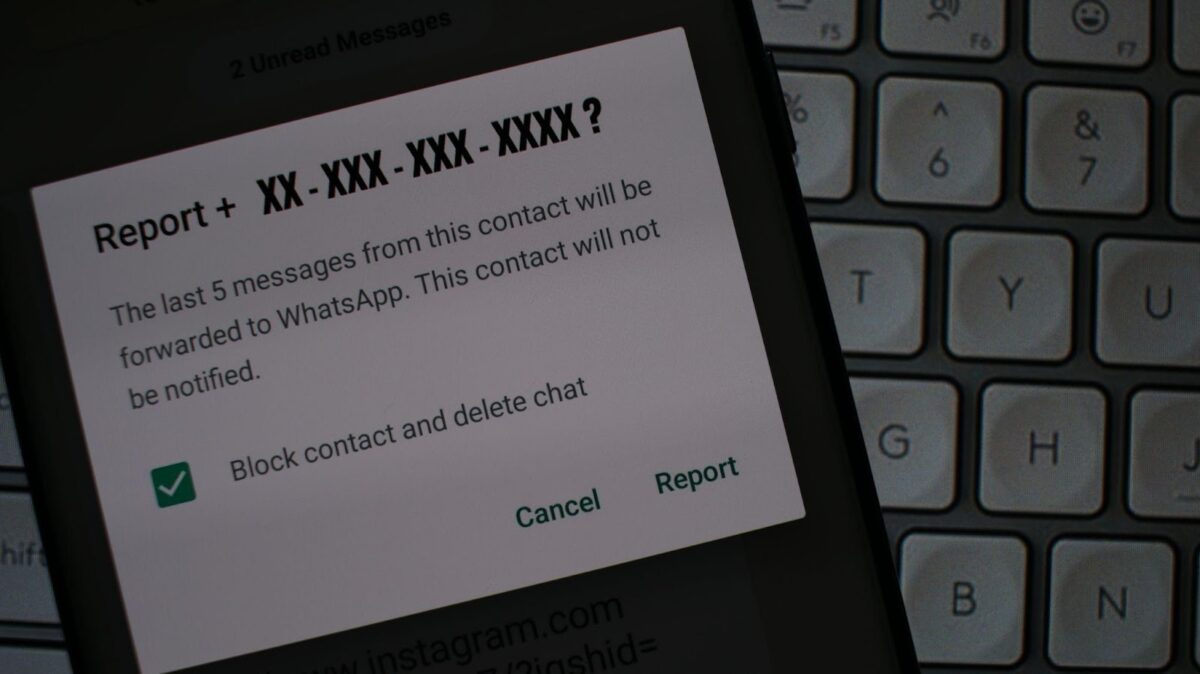
Stop spam texts by simply reporting them to Verizon. Verizon and all other phone carriers want their customers to report spam calls and texts so they can take appropriate action against them.

Here’s how to report spam text messages to Verizon.

  1. Keep the spam text on your device. 
  2. Forward it to 7726.
  3. Enter the sender’s MDN into the shortcut message.

If you’re using the Message+ app, you can report spam messages instantly by selecting “Report Spam” after selecting the text.

Avoid Responding

Never respond or click the links shared in text messages. This will only serve as an indication that your number is active, which will increase the number of incoming spam text messages.

Turn on Spam Protection

Most smartphones have a built-in spam protection feature. On iPhone devices, turn on “Filter Unknown Senders” under message filtering. If using an Android device, enable spam protection in the settings. You can also use Verizon’s Call Filter app which enables users to search if a particular number is a spam sender or caller.

Protect Yourself From Spam Texts

Spam text can make anyone uneasy, especially if they contain dubious or threatening content. Avoiding response, blocking the sender, and reporting them to your carrier are the best ways to stay protected. Also, avoid clicking or opening the attachments that come with spam text messages.

Alternatively, you can run a criminal background check on the sender. Like spam protection apps, applications and websites that allow you to run a criminal background check are often inconsistent. 

This criminal records check from Information.com is one place to run a quick, accurate background check using a phone number. It also pulls up public records with mugshots, court records, and old and recent arrests.

Overall, spam texts are annoying and can steal your attention. By utilizing the methods explained in this article, you can reduce the spam text messages and protect yourself from people with harmful intentions.

Categories
Cybersecurity, Privacy & Online Safety

Security Standards in Cloud Computing: What Do They Mean?

As we soar through the cloud-filled skies of modern computing, securing our data and applications has become more important than ever. With countless risks hiding in these digital clouds, knowing which security standards to follow is essential. 

In this insightful article, we’ll explore a range of vital guidelines that help protect your valuable information while using cloud services. 

Join us on this exciting adventure through the territory of cybersecurity for an invaluable understanding that will elevate you to new heights in maintaining data protection amidst a rapidly evolving technological world!

1. ISO/IEC 27001

The first security standard, ISO/IEC 27001, is an internationally recognized framework for managing information security. Essentially, it helps organizations to protect their data by implementing a robust information security management system (ISMS). 

This standard not only covers the technical aspects but also considers processes and people involved. One of the many aspects that ISO/IEC 27001 may touch upon can be seen in this guide to web application security testing that ensures that apps are secured against potential threats. 

Following this standard shows your clients you’re committed to safeguarding their information from unauthorized access and breaches, building trust and reliability in your services.

2. SOC 2 Type II

SOC 2 Type II stands for System and Organization Controls. It’s a compliance report that focuses on how effectively a service provider is managing five Trust Services Criteria: security, availability, processing integrity, confidentiality, and privacy. 

With this certification, organizations demonstrate their commitment to maintaining top-notch data protection principles over an extended period. 

In essence, SOC 2 Type II gives users greater confidence in a provider’s ability to safeguard their information and workloads in the cloud consistently. It’s an essential stamp of approval showcasing significant dedication to data privacy and security.

3. GDPR

GDPR (General Data Protection Regulation) is a comprehensive data privacy regulation that applies to organizations operating within the European Union or dealing with EU citizens’ personal information. 

The main goal of GDPR is to give individuals greater control over their data while setting strict rules for businesses. This ensures that every organization handles user data with utmost care and transparency. 

Adhering to GDPR not only prevents significant fines and penalties but also builds customer trust by demonstrating a commitment to respecting privacy rights. In summary, complying with GDPR is essential when working with personal data from anyone located in the EU.

4. FedRAMP

FedRAMP (Federal Risk and Authorization Management Program) is a US government-wide program that sets security requirements for cloud-based services handling sensitive federal information. Its main aim is to ensure uniformity in federal agencies’ approach to cloud security and minimize the risks associated with data breaches.

By complying with FedRAMP standards, cloud service providers can demonstrate their dedication to implementing strong security controls when serving the needs of government clients. 

In a nutshell, FedRAMP-certified providers are trusted partners for government projects and federal institutions as they consistently work towards mitigating risks in cloud environments.

5. HIPAA

HIPAA, or the Health Insurance Portability and Accountability Act, is a US regulation focused on safeguarding patient health information. It requires organizations that deal with protected health information (PHI) to follow certain guidelines to guarantee data confidentiality, integrity, and access. 

This goes for healthcare providers as well as businesses working with them in cloud-based settings. In short, when you comply with HIPAA, you’re showing your dedication to keeping sensitive medical data secure. 

This makes you a trustworthy partner for organizations in the healthcare industry that rely on cloud services to manage PHI responsibly and safely.

6. PCI DSS

Payment Card Industry Data Security Standard is specifically designed for businesses that handle credit and debit cardholder information. The primary goal of PCI DSS is to make sure that organizations follow best practices to maintain payment security, prevent data breaches, and protect sensitive cardholder details. 

In essence, being compliant with PCI DSS sends a strong message that your business takes the responsibility of safeguarding customer financial information seriously. It showcases your organization’s dedication to providing a secure transaction environment with cloud-based solutions.

7. NIST SP 800-53

NIST SP 800-53 (National Institute of Standards and Technology Special Publication 800-53) document offers a comprehensive set of guidelines and controls to help organizations in the US government sector manage their cybersecurity risks effectively. 

By adopting NIST SP 800-53 recommendations, you not only make your systems more resilient against cyber threats but also showcase your commitment to information security best practices. 

In simpler terms, following this standard ensures that you’re giving priority to data protection while working on sensitive projects involving the US government or its affiliated entities.

Ready to fortify your digital kingdom with cloud computing security standards? Don’t wait any longer – start implementing these trusted guidelines today and provide your organization with a reliable shield against potential threats lurking in the digital era.

Categories
Cybersecurity, Privacy & Online Safety

What is Hacking and How Can It Affect Your Website and Devices?

Everyone has heard of hacking and probably seen it portrayed in a flashy and unrealistic way on the silver screen.

Of course, until you fall victim to a cyber attack in real life, you likely won’t realize what’s involved, and how insidious this trend can be for individuals and businesses alike.

The best defence against hacking is understanding how it’s achieved and appreciating what the impact on compromised sites and hardware looks like. 

So let’s discuss this topic in detail and empower you to improve your online safety as a result.

The basics

Put, hacking describes any process by which a third party gains unauthorized access to systems or software.

It can be carried out in a clandestine fashion through a malware infection delivered from a phishing website or email. It can be handled directly by a human hacker, whether by accessing a device in person or attacking it remotely over a network connection.

Hacking is a term that even covers acts of social engineerings, such as calling up an unsuspecting victim and tricking them into giving you login details, including a password for an online account.

The aim is generally to steal sensitive information and use this for personal gain, or even just for professional prestige in the case of career hackers.

The fallout

The important thing to appreciate about suffering a successful hack is that, if the attacker has done their job well, you won’t necessarily realize that your site or device has been compromised. And the costs can be severe.

Because of this, you need to be clued up on what telltale signs will indicate that a hack has taken place, including:

Checking whether your phone has been hacked

If you’re worried that you’ve had your Android phone hacked, there are a few ways to find out if you’ve been hacked.

First, installing a security app will let you scan the devices for any dodgy code and eradicate it. 

Second, slower-than-usual performance could suggest malicious processes are whirring away behind the otherwise unaltered façade of your handset’s OS. 

Third, high levels of data usage which don’t reflect your browsing habits indicate malware may be siphoning info elsewhere.

Fourth, major dips in battery life imply that an infection is eating into your available energy.

Checking whether your website has been hacked

Having a compromised mobile device is one thing, but a hacked website is even worse because it could expose visitors to infections, or even allow your site to be used as part of a DDoS botnet.

Various signals should raise your suspicions, with unusual network activity being a big concern. If you can see that your site’s available bandwidth is being used at a rate that belies the amount of traffic it’s handling from visitors, then it’s worth investigating further.

Poor server performance can also arise from a hack, in much the same way as a mobile device’s user experience will suffer when hardware resources are being commandeered by malicious code.

Furthermore, if your website has an associated email server, check that this hasn’t also been hijacked in an attack. Compromised accounts might be leveraged by cybercriminals to run their own spam campaigns, posing as legitimate messages to your list of contacts.

Staying safe in the face of hacking threats

Crucially you don’t have to wait until you’ve fallen victim to a hack before you act. It’s better to prepare for this likelihood and aim to avoid it, which you can do in several ways, such as:

Avoiding malware

The malware gives hackers a back door into your device or website, so it’s sensible to try and avoid it wherever possible.

First, make sure that the websites you visit aren’t infected. Only use legitimate, reputable sites on any device, and don’t click links in unsolicited emails.

Second, if you do install software from third parties, do so via respected app stores, especially when using a smartphone.

Third, have security software installed so that any site you visit or software you download is automatically scanned so that infected examples are deflected before they can do damage.

Keeping software up to date

Even if you follow best practices for staying safe online, hacks can still occur if attackers are able to exploit loopholes and vulnerabilities in your device or website.

Tech firms know about this, which is why frequent updates are issued for all major software solutions. It’s your duty to install these updates without delay.

Final thoughts

Hacking is a growing problem, and costs people and businesses billions each year in defrauded cash and lost revenue.

Victims learn the hard way that attacks can come from anywhere, at any time, so preparedness is crucial and caution is the best way to proceed, even if you consider yourself to be an experienced user of online tools.

Categories
Cybersecurity, Privacy & Online Safety

4 Simple Tips to Keep You Safe From a Malware Attack

As you may know, malware is software that infects computer systems in order to disable, damage, or exploit the device or the network.

Cybercriminals’ intentions for using malware van vary. They could use it to steal, delete, or encrypt your sensitive information, hijack or alter the functions of core systems, monitor your activity without you knowing it, introduce spam or forced advertising, or extort money from you.

Malware can be distributed via things like email attachments, fake online ads, and infected websites or apps.

Thankfully, there are some simple ways to stay safe from malware attacks.​​

Source – Pixabay

Types of Malware

Whether you want to run a profitable website or you use your devices purely for personal use, it is important you are aware of the most commonly used types of malware.

Cybercriminals often use:

  • Adware, which automatically delivers ads to generate revenue.
  • Backdoors, which enables cybercriminals to access your computer without your knowledge.
  • Rogueware, which makes you think your device has been infected when it has not been and thereby makes you click on a fake warning that will install the malware.
  • Ransomware, which restricts you from accessing a system or data until you pay a ransom.
  • Spyware, which can enable cybercriminals to watch and listen to you via cameras and microphones as well as log your keystrokes to extract sensitive information.
  • Viruses, which negatively affect the way your computer operates.
  • Worms, which can replicate themselves without having to be attached to a program or run by a user, making worms one of the most dangerous types of malware.

Prevent Ransomware from Being Installed on Your Computer

There are several ways in which you can prevent ransomware.

For instance, cybercriminals often use phishing techniques. That involves sending emails that appear to be from reputable sources and which contain links that, once you click on them, will install the ransomware on your computer.

The cybercriminal will then ask you to pay a ransom to remove the malware.

You can simply avoid that by ensuring you never click on untrusted links. If you are unsure about the legitimacy of an email and link, always contact the company directly using an official communication method to find out whether the email is genuine.

By expanding your education and security awareness and knowing how to remove ransomware, you can further stay safe from this kind of attack.

Install Antivirus and Antispyware Software and Update it Regularly

To stay safe against any type of malware, you must install antivirus and antispyware software.

For mobile users, especially those on iOS, VPNpro recommends considering antivirus for iPhone to guard against emerging threats targeting smartphones.

Even though everyone should know how important it is to install protective software, many people forget to keep their security software updated. So, make sure you regularly update it as required.

Utilize Secure Authentication Methods

Whether you are shopping on the web or building your own fitness app, you can better protect yourself against a malware attack by ensuring you use secure authentication methods when online.

First off, you need to use strong passwords. That means using passwords that are at least eight characters in length and include both uppercase and lowercase letters and a combination of letters, numbers, and symbols.

You also need to use different passwords for each site you log in to. And you should consider using multi-factor authentication, such as security questions and a PIN.

You could even use biometric tools like facial recognition and fingerprints to stay even more secure.

Control Access to Your Systems

There are several ways in which you can regulate your networks to protect yourself against data breaches. For instance, you can:

  • Install a firewall and intrusion detection system or intrusion prevention system.
  • Always read through licensing agreements before installing new software.
  • Remove any inactive accounts on your devices.
  • Disable unused protocols and close unused ports.
  • Never use unfamiliar media or remote drives on a publicly accessible device.