AI video generators can now turn text prompts and images into videos in minutes, making content creation faster and more accessible. But with so many tools available, which one is worth using? In this guide, we compare five of the best AI video generators based on their features, performance, and best use cases.
1. Pollo AI – Best Overall AI Video Generator
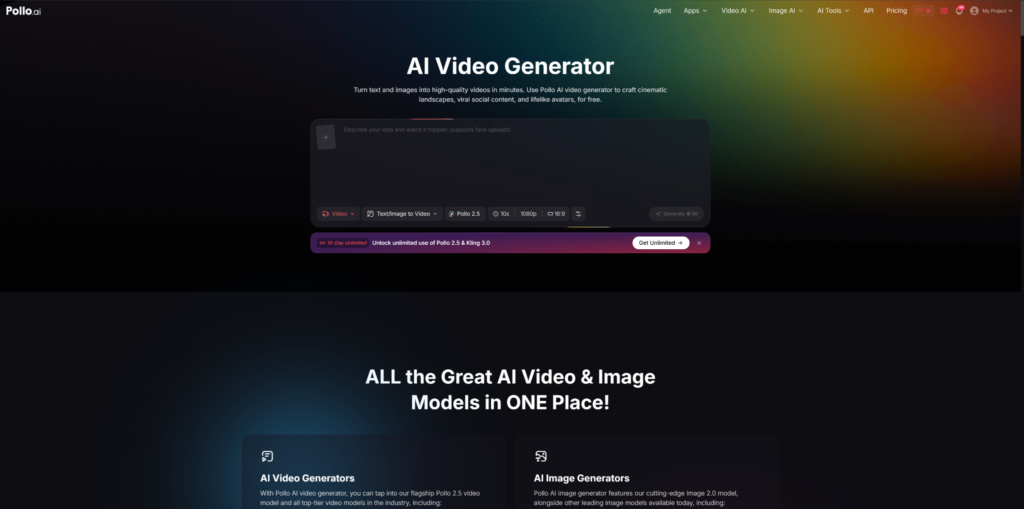
Pollo AI is a comprehensive AI video generator designed to give users access to multiple leading video generation models through a single interface. Rather than focusing on only one proprietary model, it serves as a centralized creative hub where users can generate videos from text prompts, images, and reference content. The platform also supports specialized workflows such as image-to-video, character animation, video effects, and style transformations. This broad feature set makes it suitable for content creators, marketers, agencies, educators, and businesses looking for flexible AI-powered video production without constantly switching between different tools and subscriptions.
Why Choose Pollo AI Video Generator
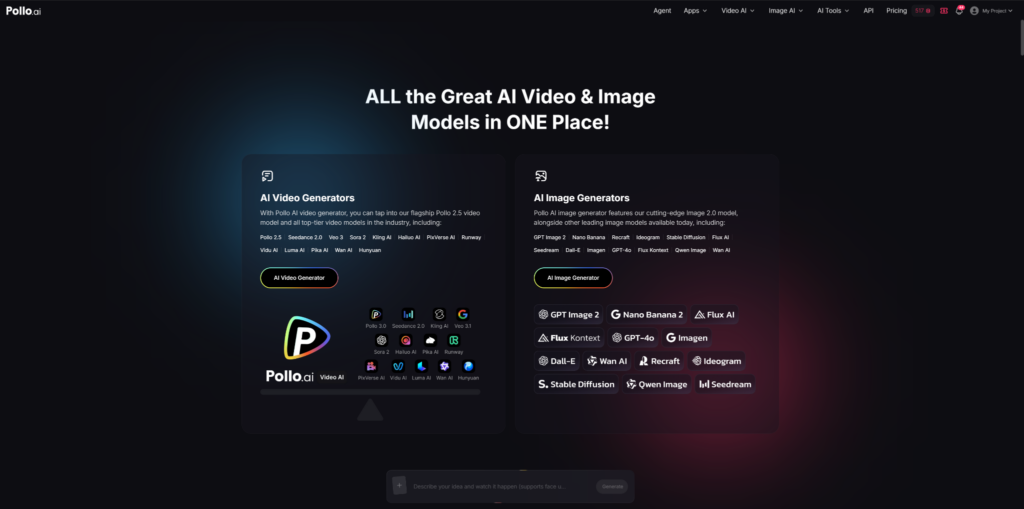
One of Pollo AI’s biggest strengths is its versatility. Users can experiment with different generation models and creative approaches without leaving the platform, making it easier to compare outputs and optimize results. The interface is relatively beginner-friendly while still offering enough flexibility for experienced creators. It works particularly well for users who regularly create social media videos, marketing content, product demonstrations, and creative visual projects—it can even double as a YouTube outro maker, helping creators generate polished closing segments that boost engagement and channel branding. Because multiple AI technologies are available within one ecosystem, Pollo AI can adapt to a wider range of content creation needs than many single-model competitors.
My Tips: Since Pollo AI integrates multiple models, output quality can vary depending on which model is selected, so testing different options is recommended.
2. Runway Gen-3 Alpha AI Video Generator
Runway Gen-3 Alpha is one of the most recognized AI video generator models currently available. Developed by Runway Research, it focuses heavily on cinematic visuals, realistic movement, and high-quality scene generation. The platform supports text-to-video and image-to-video workflows while maintaining strong temporal consistency between frames. This helps generated footage appear more coherent and professional. Runway is widely used by filmmakers, creative agencies, designers, and visual storytellers who want AI-generated content that resembles traditional video production. Its emphasis on visual quality has helped establish it as a benchmark within the rapidly growing AI video market.
Why Choose Runway Gen-3 Alpha AI Video Generator
The primary reason many creators choose Runway Gen-3 Alpha is its cinematic output quality. The model often produces realistic camera motion, sophisticated lighting effects, and visually polished scenes that stand out from standard AI-generated content. It is particularly effective for concept trailers, creative storytelling, advertising visuals, and artistic experiments. Runway also benefits from an expanding ecosystem of editing and post-production tools that complement video generation workflows. For users prioritizing visual realism and professional-looking results, it remains one of the strongest AI video generator solutions available.
My Tips: Advanced features can require a learning period, and higher-quality generations may consume credits quickly.
3. Kling AI AI Video Generator
Kling AI has become a highly discussed AI video generator due to its impressive realism and motion quality. The platform is capable of producing detailed videos with natural-looking human actions, environmental interactions, and camera movements. It supports both text-based and image-based video generation, allowing users to create a wide variety of visual content. Kling AI is often praised for maintaining strong visual consistency throughout longer sequences, helping scenes appear more believable. Its technology appeals to creators who want realistic results without sacrificing creative freedom, making it suitable for both commercial and artistic projects.
Why Choose Kling AI AI Video Generator
Kling AI stands out because of its ability to generate highly realistic motion and convincing visual details. Many users find that character movement, object interactions, and scene dynamics appear smoother compared to some competing tools. This makes it particularly useful for creators producing short films, promotional videos, visual demonstrations, and immersive storytelling content. The platform also continues to improve its generation quality and creative controls. For users whose top priority is realism and motion accuracy, Kling AI offers a compelling AI video generator experience.
My Tips: Generation speeds and availability may vary depending on demand, so longer wait times can occasionally occur.
4. Luma Dream Machine AI Video Generator
Luma Dream Machine is an AI video generator that emphasizes speed, creativity, and accessibility. The platform allows users to convert text prompts and images into animated videos within a relatively short timeframe, making it attractive for rapid content production. Its outputs often feature dynamic motion, imaginative visuals, and visually engaging scenes. Many creators use Luma Dream Machine for concept development, brainstorming, social media content, and creative experimentation. The user experience is straightforward, helping both beginners and experienced creators quickly transform ideas into shareable video content without extensive technical knowledge.
Why Choose Luma Dream Machine AI Video Generator
One of the biggest advantages of Luma Dream Machine is the speed at which users can generate and iterate ideas. This rapid workflow encourages experimentation and helps creators explore multiple concepts before choosing a final direction. The platform is also known for producing visually distinctive outputs that work well for social media campaigns, artistic projects, and digital marketing materials. Users who prioritize creativity, fast turnaround times, and idea exploration often find Luma Dream Machine to be a valuable AI video generator for everyday content creation.
My Tips: While creative outputs are impressive, some generations may prioritize style over strict realism.
5. Pika AI Video Generator
Pika AI is a user-friendly AI video generator designed to make video creation accessible to a broad audience. The platform supports text-to-video generation, image animation, and various enhancement tools that help users create engaging visual content with minimal effort. Its intuitive interface reduces the learning curve often associated with advanced AI software, making it attractive to influencers, educators, marketers, and small business owners. Pika AI focuses on simplicity and convenience while still providing enough creative flexibility for a wide range of projects, from social content to promotional materials.
Why Choose Pika AI Video Generator
Ease of use is the defining strength of Pika AI. Users can begin generating videos quickly without navigating complex technical settings or production workflows. This accessibility makes it an excellent choice for beginners and casual creators who want results without investing significant time in learning advanced tools. The platform also regularly introduces new features that expand its capabilities while maintaining a streamlined experience. For users seeking a practical and approachable AI video generator, Pika AI remains one of the most accessible options available.
My Tips: Users looking for highly advanced cinematic controls may find the platform somewhat limited compared to professional-focused alternatives.
Conclusion
The best AI video generator depends on individual goals and creative priorities. Pollo AI offers exceptional versatility through its multi-model ecosystem, while Runway Gen-3 Alpha focuses on cinematic quality. Kling AI excels in realism, Luma Dream Machine emphasizes creative speed, and Pika AI prioritizes accessibility. Each platform serves a different audience, making it worthwhile to evaluate features, workflows, and output styles before making a final choice.
